
Key Takeaways
- Native species have co-evolved with regional climate, soil, and wildlife over thousands of years, making them naturally lower-maintenance than imported ornamentals
- Choosing regionally appropriate plants can cut irrigation needs significantly, saving water and reducing long-term yard costs
- Pollinator populations respond measurably to native plantings, with research showing far greater bee diversity in gardens anchored by indigenous flowers
- A compact yard can support layered plant communities when you use vertical structure, grouped drifts, and multi-season bloomers
- Grasses, sedges, and groundcovers reduce mowing while stabilizing soil and providing habitat corridors even in tight spaces
- Container gardening with native perennials lets renters and patio owners contribute to local ecosystems without ground-level planting
- Thoughtful plant selection based on sun, moisture, and mature size prevents overcrowding and costly replacements later
Native Plants for Small Backyard Outdoor Living Ideas That Thrive
Compact yards used to be seen as a limitation. Today, they are increasingly recognized as some of the most ecologically productive spaces a homeowner can cultivate. The reason comes down to plant choice. When you fill a modest patch of ground with species that already belong to your region, the land does more with less, whether that means less water, less fertilizer, or less of your weekend.
Native plants are not just a trend borrowed from conservation magazines. They are the foundation of a smarter way to garden, and they happen to pair beautifully with the kind of intimate, walkable yards most people actually have. A 400-square-foot patio surrounded by indigenous perennials can host more bird species, pollinators, and seasonal color than a half-acre lawn.
This guide walks through the science behind native plantings, the practical design moves that make them shine in tight quarters, and the specific plant categories that reward smaller spaces. By the end, you will have a working framework for turning any modest patch of ground into a thriving, low-input retreat.
Why Native Plants Outperform Ornamentals in Tight Spaces
A native plant is one that has evolved in a particular region over thousands of years, adapting to local soil chemistry, rainfall patterns, temperature swings, and the insects and birds that depend on it. According to the University of Nebraska-Lincoln, these regionally adapted species support native wildlife while conserving water and soil health. That evolutionary head start is why they typically outperform ornamentals from distant continents.
In a small yard, every square foot has to earn its keep. Non-native ornamentals often demand supplemental watering, fertilizer, pest treatments, and winter protection just to look passable. Natives, by contrast, tend to settle in and quietly do their job. They send roots deep, resist local diseases, and bounce back from weather extremes that would flatten imported hybrids.
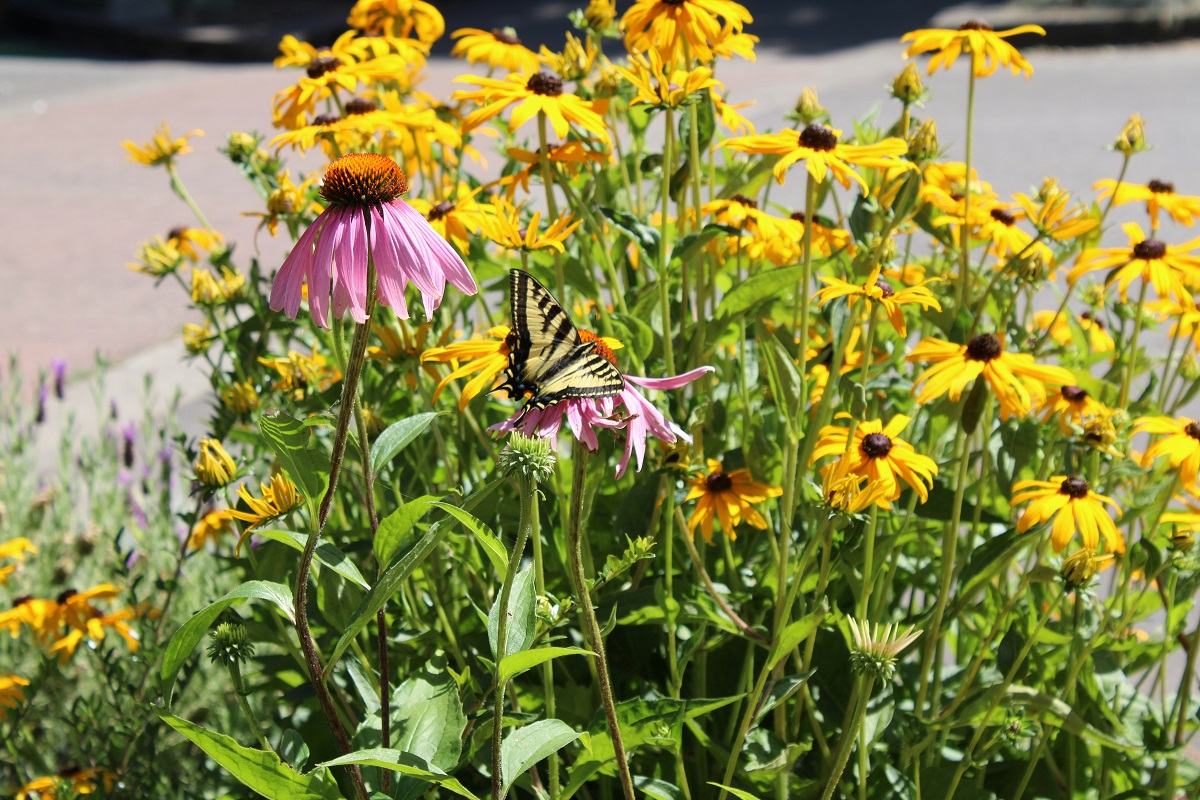
There is also the matter of ecological payoff. A compact bed of native coneflower, bee balm, and little bluestem can feed migrating songbirds, overwintering native bees, and butterfly larvae in ways that a comparable patch of hostas and boxwoods simply cannot match.
How Much Water and Maintenance Can You Really Save?
Water is often the hidden cost of a backyard garden. According to the National Wildlife Federation, properly matched native plantings can reduce outdoor water use by 20 to 50 percent based on EPA figures. For a small-space gardener running a drip line or dragging a hose, that reduction translates to real money and real time back in your week.
Maintenance savings come from a similar place. Deep-rooted natives rarely need staking, dividing, or chemical feeding once established. They outcompete most weeds through sheer density. And because they are adapted to local pest pressure, they rarely trigger the spray-and-replace cycle that ornamental beds often fall into.
What to Expect in the First Three Years
The first season after planting is the slowest. Natives spend their early energy underground, building root systems before they put on dramatic top growth. By year two, you will notice fuller foliage and the first strong bloom cycles. By year three, the planting hits its stride and starts delivering the full visual and ecological payoff with minimal intervention from you.
Designing Compact Layouts That Feel Lush, Not Crowded
Small yards reward restraint, but they also reward layering. The goal is to create the sense of a plant community, not a scattered collection. Think in terms of three vertical tiers: a canopy or tall accent layer, a mid-height flowering layer, and a groundcover or edge layer that softens hard lines.
Grouping matters as much as selection. A single echinacea tucked between two shrubs reads as random. Five of them planted in a loose drift read as intentional and provide a stronger nectar signal to pollinators. This is one of the most effective small backyard outdoor living ideas you can borrow from naturalistic design: plant in odd-numbered clusters rather than ones and twos.
When planning, consider these layout principles:
- Repeat two or three signature species throughout the space to create rhythm
- Place taller plants where they will not shade shorter sun-lovers
- Leave at least one open sightline from your seating area for a sense of depth
- Use evergreen natives as anchors so the yard retains structure in winter
- Keep pathways narrow but clear, allowing plants to spill slightly over edges
Thoughtful placement is also the key to maximizing outdoor space without resorting to constant pruning or hardscape overkill. The plants themselves become the architecture.
Which Native Plants Actually Thrive in Smaller Yards?
Not every native is a good fit for a compact space. Some prairie species grow six feet tall and spread aggressively, muscling out neighbors and flopping over paths by midsummer. Others send out underground runners that pop up ten feet from where you planted them, which is charming in a meadow and maddening in a 400-square-foot yard. The trick is choosing well-behaved, naturally compact natives that pack visual and ecological punch without taking over. Look for words like “clumping,” “mounding,” or “non-aggressive” on plant tags, and avoid anything described as “vigorous spreader” unless you have room to let it roam.
Strong candidates in most temperate North American regions include:
- Little bluestem, a clumping grass with bronze fall color that holds its shape through winter and provides seeds for songbirds
- Butterfly weed, a drought-tough milkweed that feeds monarch larvae and produces brilliant orange blooms from early to midsummer
- Wild geranium, a shade-tolerant groundcover with soft pink spring blooms that gently self-sows without becoming a nuisance
- Aromatic aster, a late-season nectar source that stays under three feet and buzzes with pollinators well into October
- Pennsylvania sedge, a low groundcover that replaces lawn in shady spots and requires only one or two mowings per year
- Virginia sweetspire, a compact shrub with white flower spikes in June and vivid red fall foliage that lingers for weeks
- Prairie dropseed, a fine-textured bunchgrass that smells faintly of popcorn in bloom and forms tidy, fountain-shaped mounds
- Foamflower, a woodland perennial with frothy white spring flowers and attractive foliage that persists through the growing season
Each of these earns its square footage several times over, offering multiple seasons of interest while supporting local insects, birds, and soil health. For truly tight corners, consider dwarf cultivars of native shrubs, which keep the ecological benefits of the straight species while staying under four feet tall.
Matching Plants to Your Light and Moisture Conditions
Before buying anything, spend a week observing your yard. Note which areas get full sun (six or more hours of direct light), partial shade (three to six hours), or deep shade (less than three hours), and watch where water pools after a storm versus where the soil dries out within a day. A simple sketch with sun patterns marked at morning, noon, and late afternoon will save you dozens of dollars in dead plants. Match plants to those conditions rather than fighting them. A sun-loving coneflower planted in deep shade will sulk and die, while a wild geranium in the same spot will flourish. Likewise, a moisture-loving cardinal flower set into dry, sandy soil will crisp up by July no matter how often you water it.
This single discipline eliminates most plant failures. It also opens up small backyard outdoor living ideas that would otherwise seem impossible, like turning a soggy low spot into a pocket rain garden or transforming a hot, dry strip along the driveway into a pollinator ribbon of butterfly weed and little bluestem. Working with your site’s existing conditions, rather than against them, is the fastest path to an outdoor living space that looks lush with minimal intervention.
Supporting Pollinators and Birds in a Limited Footprint
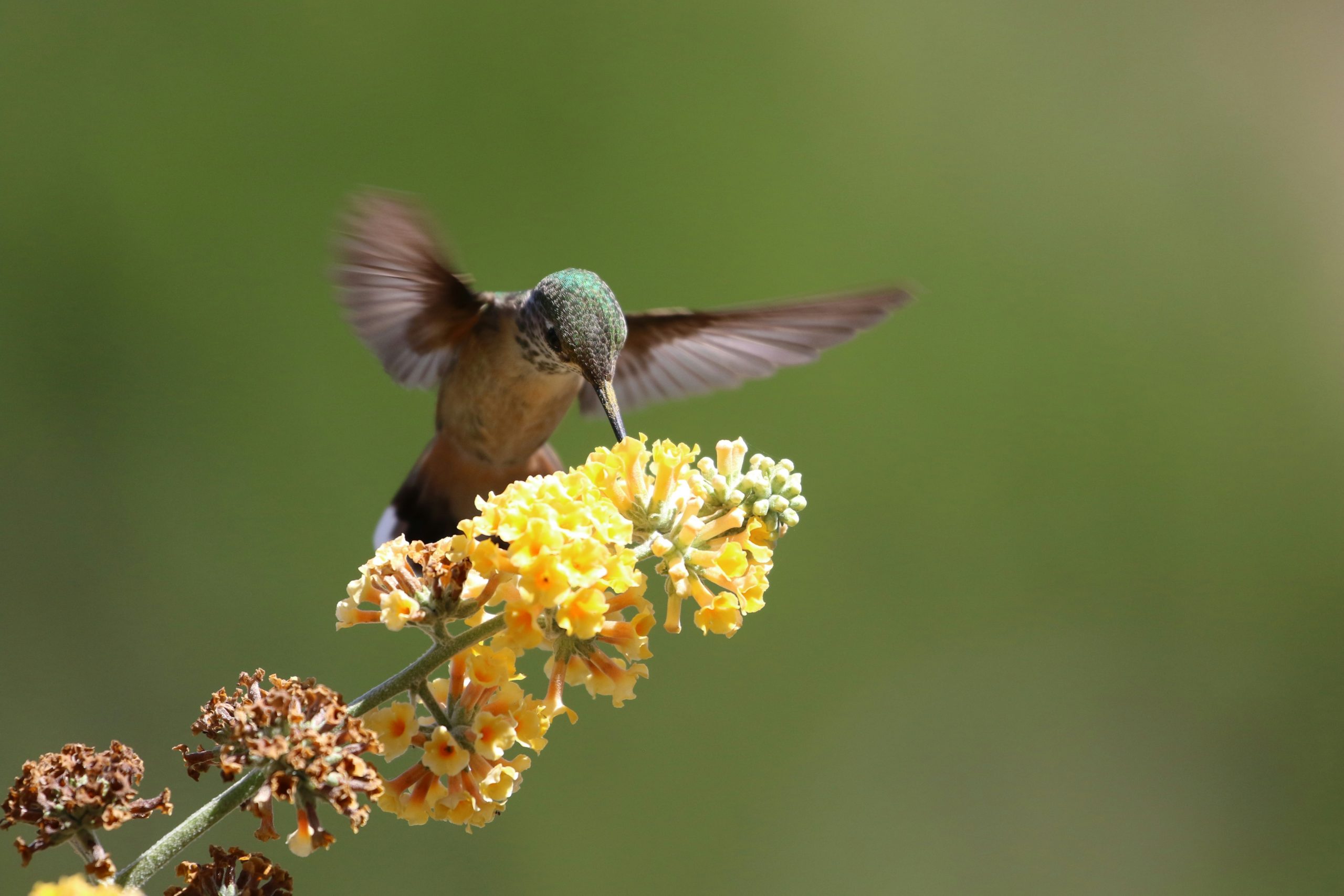
Even a tiny yard can function as meaningful habitat if the plant palette is right. Research from the Xerces Society highlights fieldstudies showing that gardens built around native flowers attract three to four times more native bee species than those dominated by exotic ornamentals. In a space measured in square feet rather than acres, that multiplier is the difference between a decorative yard and a functioning ecosystem.
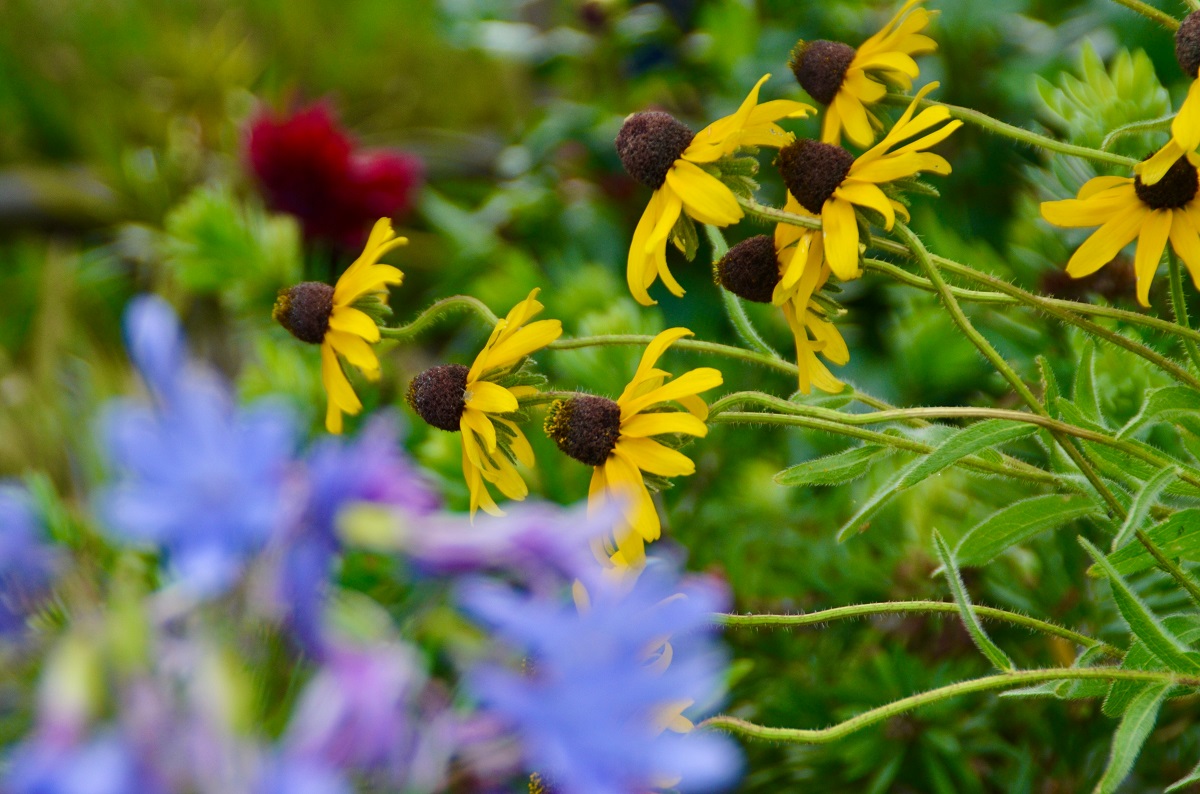
To stretch habitat value across the full growing season, aim for overlapping bloom windows. Early-spring bloomers like wild columbine and golden Alexanders feed queen bees emerging from hibernation. Midsummer standouts such as bee balm, mountain mint, and black-eyed Susan carry the heaviest pollinator traffic. Late-season asters and goldenrods fuel migrating monarchs and overwintering natives preparing for cold months.
Birds benefit from the same plantings in ways that are easy to overlook. Seed heads left standing through winter feed finches and sparrows. Native grasses provide nesting material. And the insects drawn to native foliage become the protein source that nearly all songbird chicks depend on during their first weeks of life.
Small Features That Multiply Habitat Value
A few modest additions amplify what your plants are already doing:
- A shallow water dish with a few stones for insects to land on
- A patch of bare, undisturbed soil for ground-nesting bees
- Leaf litter left in place over winter under shrubs
- A small brush pile tucked into a back corner for wrens and chipmunks
None of these require square footage you cannot spare, and together they turn a planted yard into a layered refuge.
Container Strategies for Patios, Balconies, and Rentals
Not every gardener has ground to dig in. Renters, condo owners, and patio dwellers can still grow meaningful native plantings in containers, provided the pots are large enough to buffer root temperatures and hold moisture through hot stretches. A minimum of 14 inches in diameter works for most compact perennials, with larger troughs reserved for small shrubs or grass clumps.
Good container candidates include butterfly weed, prairie dropseed, cardinal flower for moist spots, and compact goldenrod varieties bred for tighter habits. Group three or four pots of varying heights near a seating area and you create a pollinator stop that rivals an in-ground bed. The same principles that guide a low-maintenance backyard oasis apply at container scale: pick plants matched to the light your space actually receives, cluster rather than scatter, and let foliage textures carry the design when nothing is in bloom.
Overwintering is the main container challenge. In colder zones, sink pots into the ground, cluster them against a protected wall, or move them into an unheated garage once dormant. Natives are hardy, but their roots sit far more exposed in a pot than in open ground.
Replacing Lawn with Low-Growing Native Alternatives
Turf grass is the single largest irrigated crop in the United States, and most of it serves no ecological purpose. Swapping even a portion of a small lawn for low-growing natives slashes mowing, eliminates fertilizer runoff, and opens up habitat corridors that connect to neighboring yards.
Pennsylvania sedge forms a soft, meadow-like carpet in shade and tolerates light foot traffic. Buffalograss handles sun and drought in warmer regions, needing mowing only a few times per year. Creeping phlox and wild strawberry spread into dense mats that bloom in spring and hold soil on slopes. For a true no-mow look, a mix of short native grasses and wildflowers creates a shifting tapestry that changes week to week.
Transition gradually if a full conversion feels daunting. Start with a single bed carved out of the lawn edge, expand it the following year, and let the planting prove itself before committing more square footage.
Wrapping It Up
A small yard is not a compromise. It is a canvas with everything you need to build a living, breathing landscape that serves pollinators, birds, soil, and the people who sit in it. Native plants make that outcome achievable without the constant intervention that ornamental gardens demand. They root deeper, drink less, feed more, and settle into rhythms that match the climate you actually live in.
The path forward is practical. Observe your conditions, choose compact natives suited to the light and moisture you have, plant in generous drifts, and layer heights so the space feels full without feeling cramped. Add a water source, leave some leaf litter, and resist the urge to tidy every stem by late fall. Within three seasons, the yard will do most of the work on its own.
Whether you are planting into open ground, a row of containers on a patio, or a reclaimed strip of former lawn, the principle holds. Match plants to place, trust the ecology, and the smallest spaces will reward you with the richest returns.