
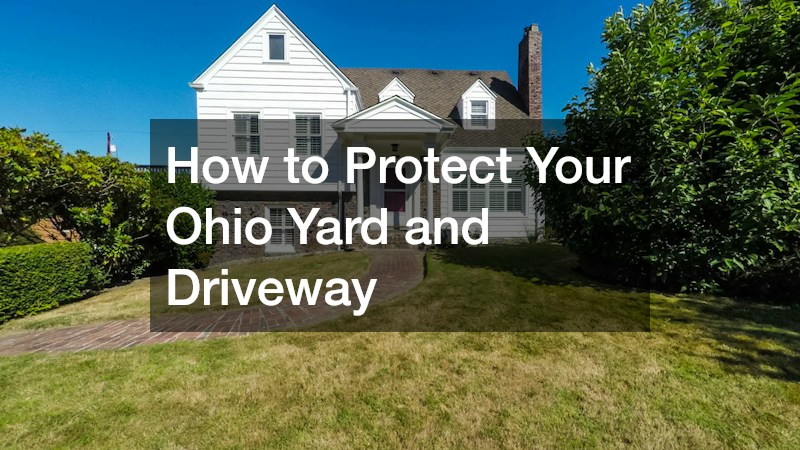
Living in Ohio means appreciating four distinct seasons, from vibrant autumn foliage in the Hocking Hills to crisp spring mornings along Lake Erie. Unfortunately, that same regional climate is notoriously unforgiving on residential and rural properties. In a single calendar year, your exterior surfaces endure sub-zero January wind chills, heavy lake-effect snow, corrosive road salt, torrential April thunderstorms, and humid August dry spells that turn dense Midwest clay into sun-baked brick.
When extreme weather hits, your yard and driveway do not suffer in isolation—they fail together. Water that pools on a poorly graded lawn eventually seeps beneath your driveway edges, freezes overnight, and heaves the surface upward. Meanwhile, pavement runoff loaded with winter de-icers washes directly into adjacent turf and garden beds, burning grass roots and compacting soil. Treating lawn care and driveway maintenance as separate weekend chores often leads to expensive, recurring repairs. By taking an integrated, preventative approach to drainage, surface sealing, load management, and smart turf design, Ohio property owners can shield their homes from seasonal wear and extend the lifespan of both their hardscapes and landscapes by decades.
Re-Grade Soil and Clear Drainage Channels Before Heavy Rains Hit
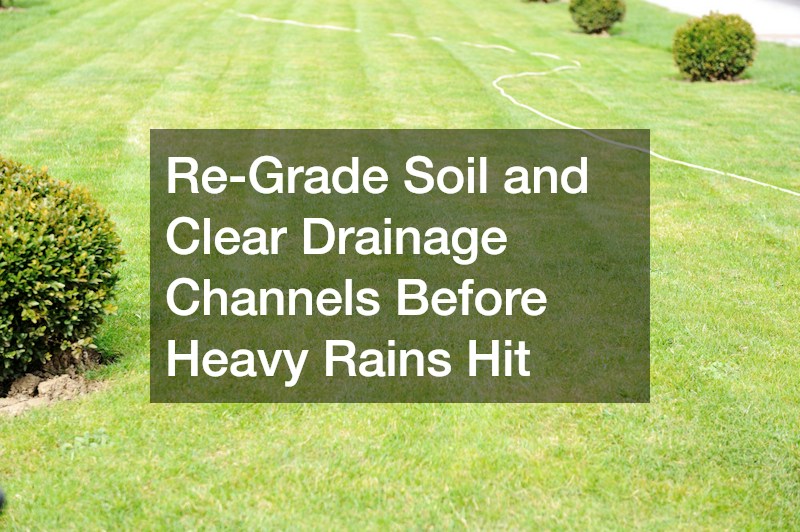
Water is the single greatest threat to every exterior structure on an Ohio property. Whether your home sits on flat glacial till in central Ohio or rolling clay terrain near the Ohio River valley, poor surface drainage will quietly undermine both your lawn and your pavement long before visible cracks appear. When heavy spring rains saturate the ground, standing water softens the compacted aggregate base beneath a driveway. Once that sub-base loses stability, even ordinary passenger vehicles can cause the surface to sink, rut, or fracture.
Protecting your property starts with controlling where water goes the moment it hits the ground. Walk your property during or immediately after a steady rainstorm to observe how runoff behaves around your home, walkways, and driveway perimeter.
- Establish a positive slope away from structures: Surrounding soil should drop at least one inch per foot for the first six to ten feet away from your home’s foundation and driveway edges. If soil has settled into low pockets that trap puddles, build those areas back up with screened topsoil and tamp them firmly.
- Keep culvert pipes and swales clear of debris: Fallen leaves, twigs, and silt accumulate rapidly in roadside ditches and drainage swales. Clearing these channels every autumn and early spring ensures snowmelt and cloudbursts move off your property instead of backing up onto paved surfaces.
- Extend downspouts well past pavement borders: Roof downspouts that discharge directly onto a driveway or adjacent flowerbed dump hundreds of gallons of water into a concentrated zone during a single storm, accelerating soil erosion and winter ice buildup.
When surface re-grading with a shovel and wheelbarrow is not enough to fix chronic water pooling, bringing in a qualified excavating contractor can save thousands of dollars in future structural repairs. Heavy equipment allows a crew to cut proper drainage swales, install perforated French drains wrapped in geotextile fabric, and re-contour stubborn clay slopes so water flows reliably toward storm drains or natural runoff areas. Likewise, if you are planning a new installation or full replacement, verify that your paving contractor checks sub-base compaction and builds an intentional crown or cross-slope into the design so water never sits idle on the finished surface.
Seal Hairline Fissures Before Winter Freeze-Thaw Cycles Widen Them
Ohio winters rarely stay frozen from December through March. Instead, the Buckeye State experiences dozens of freeze-thaw cycles each winter, where daytime sunshine melts snow into liquid water that refreezes as soon as temperatures plunge after sunset. When water infiltrates a tiny gap in pavement and freezes, it expands by roughly nine percent. That outward pressure acts like a microscopic wedge, prying hairline fissures wider and deeper with every passing cold front.
By March, neglected autumn cracks often evolve into crumbling edges, interconnected alligator cracking, and deep potholes that require full-depth patching. Stopping this chain reaction requires inspecting and sealing your pavement every fall before temperatures drop consistently below fifty degrees Fahrenheit.
- Clean out vegetation and loose grit first: Weeds and grass roots growing inside pavement seams hold moisture like a sponge and physically widen gaps as they grow. Pull vegetation by the roots, scrape out loose debris with a wire brush, and blow the channel clean with a leaf blower or compressed air.
- Match the repair method to the crack width: Hairline surface cracks under a quarter-inch wide can often be addressed with a flexible, rubberized cold-pour filler applied on a dry, sunny afternoon. Wider cracks—typically between a quarter-inch and three-quarters of an inch—require a backer rod to prevent wasted filler and a high-elasticity sealant that moves as the pavement expands and contracts.
- Protect the surface from oxidation and chemical spills: Ultraviolet rays gradually dry out pavement binders, turning rich dark surfaces brittle and gray. Applying a quality coal-tar or asphalt-emulsion sealer every two to three years restores flexibility and creates a barrier against motor oil, transmission fluid, and road salt runoff.
For extensive cracking, sunken depressions, or large driveways where homeowner touch-ups fall short, hiring an experienced local asphalt company ensures the job is done with commercial-grade equipment. Professionals use specialized routers to clean and shape jagged fissures and apply hot-pour asphalt crack repair compounds that bond tightly to the sidewalls and remain pliable even during sub-zero January cold snaps. Investing in timely maintenance every few years is far more economical than paying for premature resurfacing.
Reinforce Long Lanes and High-Traffic Turnarounds Against Heavy Loads
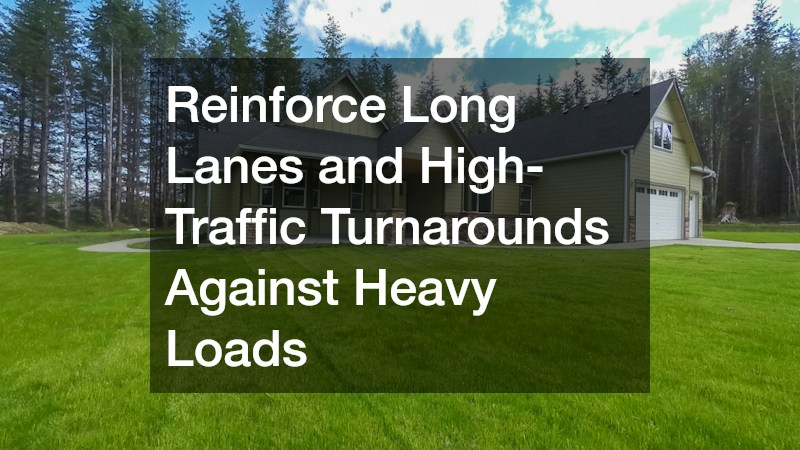
Driveways in Ohio do far more than hold parked family sedans. Over the course of a year, residential and semi-rural driveways absorb heavy point loads from parcel delivery vans, municipal trash trucks, propane tankers, utility trailers, and winter snowplows. Because driveway edges are typically the weakest part of any paved structure, repeated tire drift off the side of the lane causes the outer lip to shear away, triggering progressive crumbling toward the center.
Reinforcing vulnerable zones and adapting your winter maintenance habits can dramatically reduce structural stress on heavily used driveways and turnarounds.
- Backfill exposed pavement edges: If soil along the sides of your driveway has eroded below the top edge of the pavement, tires that stray off the mat face a sharp drop-off that fractures the edge. Backfill the shoulder with compacted crushed limestone or dense-grade gravel flush with the pavement surface to provide lateral support.
- Widen tight turnaround radii: Delivery drivers frequently cut across lawn corners when backing out of narrow drives, leaving deep muddy ruts in spring and cracked pavement corners by fall. Adding a flared apron or dedicated turnaround pad gives heavy vehicles room to maneuver safely on supported base material.
- Set snowplow blades properly: Metal plow edges scraping directly across pavement gouge surface aggregates and catch on uneven joints. Adjust plow skid shoes so the blade rides at least half an inch above the surface, or attach a polyurethane cutting edge for gentler snow removal.
Homeowners with long rural lanes, steep hills, or shared access roads face unique engineering demands compared to standard suburban lots. Working with a private drives asphalt contractor ensures that extended lanes are built with adequate aggregate base depth, thicker binder courses, and properly reinforced culvert crossings capable of supporting multi-axle service vehicles without rutting. On the other hand, if your property features a concrete driveway, protecting the surface means avoiding harsh chemical de-icers—especially sodium chloride and ammonium nitrate—during the first two winters while the slab finishes curing, opting instead for plain sand or calcium magnesium acetate to prevent surface spalling and flaking.
Build a Water-Smart Yard That Survives August Dry Spells
While spring in Ohio often brings excess water, July and August frequently deliver prolonged dry stretches paired with high temperatures. Cool-season grasses common across the state—such as Kentucky bluegrass, perennial ryegrass, and turf-type tall fescue—naturally enter heat-induced dormancy when soil moisture disappears. While brief dormancy is normal, prolonged drought weakens root systems, thins turf density, and opens bare soil to aggressive summer weeds like crabgrass and spurge. Once turf thins out along driveway edges, heavy autumn rains quickly wash loose soil onto your pavement and into drainage lines.
Creating a resilient yard means delivering moisture efficiently where living plants need it while eliminating grass in zones where turf simply cannot thrive.
- Raise your mower deck in summer: Cutting grass too short exposes soil to direct sunlight, accelerates moisture evaporation, and stresses root systems. Keep mower blades sharp and set your cutting height to three-and-a-half or four inches from June through August to shade the soil and crowd out weeds naturally.
- Water deeply and early in the morning: Shallow daily sprinkling encourages weak, surface-level roots that burn quickly in summer heat. Instead, apply roughly one inch of water per week split across one or two early morning sessions between four and eight in the morning, reducing evaporation and preventing fungal diseases like brown patch.
- Core aerate compacted clay soils each autumn: Ohio clay compacts easily under foot traffic and lawn equipment, preventing water and oxygen from reaching the grass roots. Annual core aeration pulls small soil plugs to relieve compaction and improves water infiltration before winter arrives.
For homeowners with expansive lawns, extensive perennial borders, or vegetable gardens, relying on municipal water during dry summers can lead to staggering utility bills and local watering restrictions. Installing a dedicated irrigation well provides an independent, cost-effective water supply tailored for automated sprinkler zones, allowing you to keep turf lush and soil stabilized through peak summer heat without worrying about tiered city water rates. Meanwhile, for narrow hellstrips between the sidewalk and street, heavily shaded side yards, or high-traffic dog runs where mud constantly tracks onto clean pavement, replacing struggling sod with modern artificial grass eliminates bare dirt, cuts summer water demand, and keeps adjacent walkways clean year-round.
Use Mulch, Stone, and Edging to Lock Soil and Moisture in Place
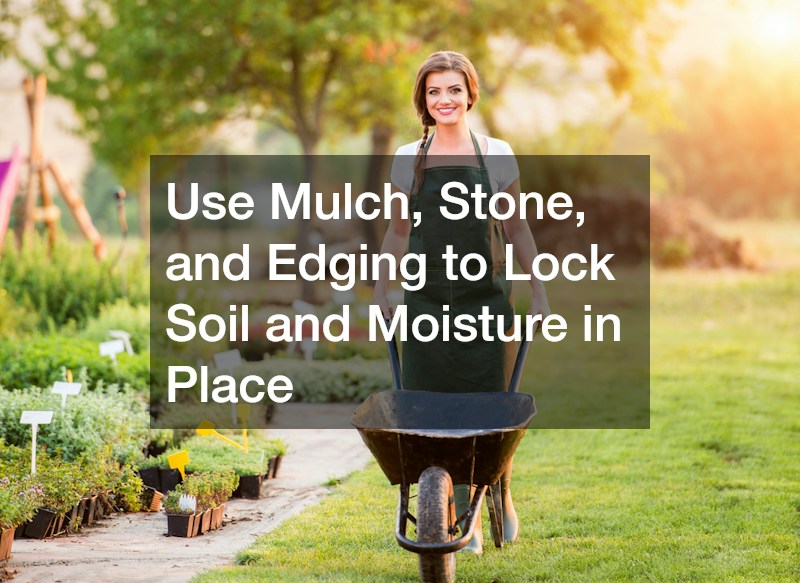
The transition zone where your lawn meets your driveway, walkways, and garden beds is where most day-to-day exterior damage occurs. Without a clean physical barrier, aggressive turfgrass rhizomes creep into pavement expansion joints, while string trimmers accidentally gouge asphalt edges and chip concrete corners during weekly mowing. Meanwhile, bare soil in adjacent beds splashes mud onto clean hardscapes every time it rains and washes into drainage channels during storms.
Thoughtful bed design and proper groundcover selection act as a protective buffer that insulates plant roots, regulates soil moisture, and keeps hardscapes cleaner throughout the year.
- Install durable physical bed edging: Trenching a crisp four-inch V-groove edge or installing heavy-duty steel, aluminum, or paver edging creates a defined boundary that blocks grass roots from invading beds and keeps mower wheels safely on the turf.
- Follow the three-inch mulch rule: Applying a two- to three-inch layer of shredded hardwood mulch over garden beds moderates soil temperatures, reduces summer moisture loss, and prevents winter frost heave from pushing shallow-rooted perennials out of the ground. Always pull mulch two to three inches away from tree trunks and home siding to prevent moisture rot and pest intrusion.
- Use stone in high-runoff zones: Organic wood mulch floats away easily along steep slopes, roof drip lines, and downspout outlets. In high-flow areas next to driveways and foundations, heavy aggregate holds its position during torrential downpours and slows runoff velocity.
Matching the right landscaping material to each micro-zone on your property—such as double-shredded bark mulch for moisture-loving perennial beds and washed river rock or crushed limestone along driveway shoulders and drainage swales—prevents erosion and reduces seasonal replacement costs. For busy homeowners who want consistent protection without spending every weekend hauling wheelbarrows, scheduling seasonal visits with local landscaping services ensures spring bed edging, pre-emergent weed control, fall leaf cleanup, and selective pruning happen right on schedule before debris clogs drains or stains pavement.
Using This Guide for Your Yard and Driveway

Protecting an Ohio yard and driveway does not require constant, backbreaking weekend labor—it requires timing the right preventative steps before the seasons shift. When you keep drainage channels flowing, seal small pavement fissures before winter freezes arrive, reinforce high-traffic edges, and buffer your hardscapes with water-wise turf and well-maintained borders, every part of your property works together to resist Midwest weather extremes.