
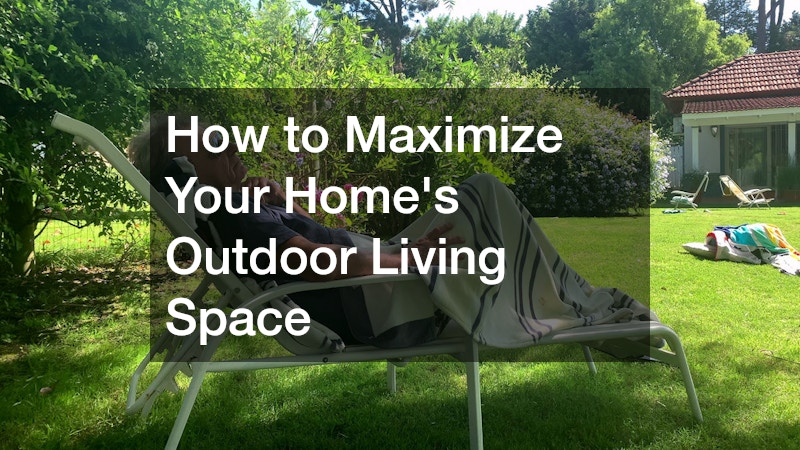
Outdoor space can become one of the most valuable parts of a home when it is designed around the way people actually live. A backyard does not need to be enormous to provide room for dining, relaxing, entertaining, cooking, gardening, or spending time with family. In many cases, the biggest improvement comes from using the available space more intelligently rather than trying to make it larger.
The key is to think of the yard as an extension of the home. Instead of treating it as a single open area, consider how different parts can serve different purposes while still working together. Comfortable seating, shade, privacy, greenery, lighting, storage, and carefully planned surfaces can make even a modest outdoor area feel considerably larger and more useful.
Before buying furniture or beginning construction, take time to understand the space and establish priorities. A thoughtful plan can prevent common problems such as overcrowding, awkward traffic patterns, inadequate shade, or features that look attractive but rarely get used. The following strategies can help you turn your existing outdoor area into a comfortable, functional place that supports everyday life as well as special occasions.
Start by Mapping How You’ll Use the Space
The most effective outdoor designs begin with function. Before deciding what to install, make a list of the activities you want your yard to accommodate. You might want a place for morning coffee, family meals, weekend gatherings, children’s activities, gardening, or quiet evenings by a fire. Ranking these activities will help you determine where your limited space deserves the most attention.
Next, measure the area and sketch a simple site plan. Mark the dimensions of the yard along with doors, windows, stairs, existing trees, utility features, property lines, and areas that receive sun or shade. Pay attention to how people currently move through the space. A beautiful seating area will not work well if everyone has to walk around it to reach the back door.
Think about proximity, too. Areas used frequently should generally be easy to reach from the house. A dining area near the kitchen can make outdoor meals much more convenient, while a quiet seating area can be placed farther away if the yard allows it. If your property has a slope, consider whether a retaining wall could create a level area that is safer and more practical for furniture.
Finally, consider how the space changes throughout the day and year. Track where direct sunlight falls in the morning and afternoon, where rainwater collects, and which areas become windy. These observations can influence everything from seating placement to plant selection and shade solutions.
Create Defined Zones Without Making the Yard Feel Crowded
A large, uninterrupted lawn may look spacious, but it does not necessarily provide the most useful outdoor living area. Dividing the yard into functional zones can give every part of the property a purpose while creating a stronger sense of organization.
You can define zones without constructing walls or other permanent barriers. Changes in paving materials, rugs, planters, furniture arrangements, and planting beds can visually distinguish one area from another. For example, a dining table can establish a dining zone, while a cluster of lounge chairs can identify a separate conversation area.
Elevation changes can also create useful divisions. On sloped properties, a retaining wall can support a level terrace for seating or dining while making an otherwise difficult portion of the yard more accessible. Professional planning is important because drainage, soil pressure, grading, and structural requirements need to be considered when creating supported levels.
Avoid the temptation to fill every available inch. Open space is important because it provides visual breathing room and allows people to move comfortably between zones. As a general principle, leave clear pathways between major features and avoid placing furniture where it interrupts doors, gates, stairs, or frequently used routes.
When space is limited, prioritize multifunctionality. A bench can provide seating and storage, a dining table can double as a work surface, and a flexible open area can accommodate different activities depending on the occasion. This approach allows one portion of the yard to perform several jobs without making it feel overloaded.
Build Comfort Into Your Outdoor Seating Areas
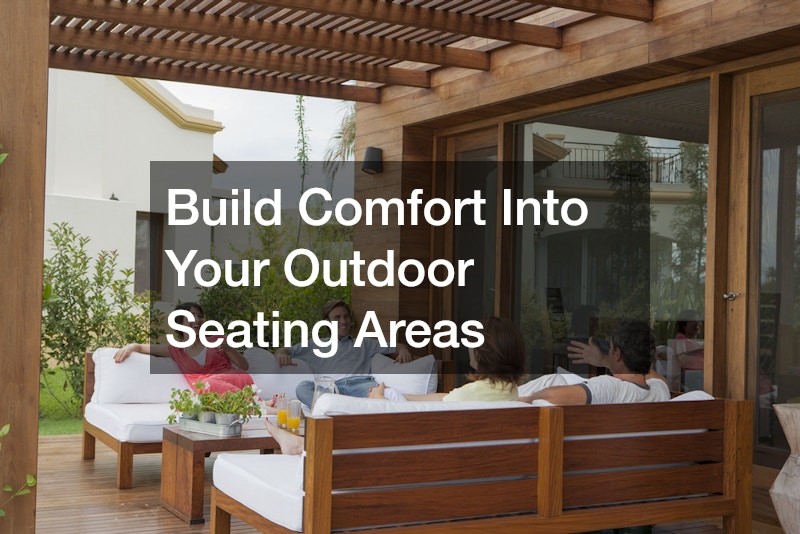
Comfort determines whether an outdoor area gets used regularly or remains an attractive but neglected part of the property. Start by choosing seating based on your actual needs. A household that usually spends time outdoors as a small group may benefit more from a compact sofa and two chairs than from a large dining set that occupies most of the available area.
Shade is equally important. Even a beautifully furnished space can become unusable when direct sunlight makes it uncomfortable. An awning can provide reliable protection over a seating or dining area while helping define the space visually. Depending on the property, retractable options can also allow homeowners to choose between sun and shade throughout the day.
Pay attention to orientation. Arrange chairs so people can comfortably talk with one another instead of automatically pointing every seat toward the house. If there is an attractive garden, wooded area, or other view, orient the seating to take advantage of it. At the same time, avoid positioning chairs where low afternoon sunlight shines directly into people’s eyes.
Small details can make a significant difference. Outdoor cushions add comfort, while side tables provide convenient places for drinks, books, and phones. An outdoor rug can visually anchor a seating area and make it feel more like a defined room. However, maintain sufficient clearance around furniture so people can walk through the area without bumping into chairs or tables.
Make Your Patio Work Harder With Multifunctional Design
A well-designed patio can serve as a dining room, lounge, entertainment area, and gathering space without requiring a separate area for each function. The trick is to plan the layout around activities rather than simply covering as much ground as possible with a hard surface.
When planning patios, start by determining where furniture will go. A dining table requires enough clearance for chairs to be pulled out comfortably, while lounge furniture needs sufficient space for people to move around it. Measure furniture before purchasing it and mark approximate dimensions on the ground with tape or temporary objects. This simple exercise can reveal whether your preferred arrangement will actually fit.
Consider how the patio connects with the interior of the house. If it sits directly outside the kitchen or dining room, it can become a natural place for meals and entertaining. Keep frequently used doors and pathways unobstructed so people can move between indoor and outdoor areas easily.
Materials should also match how the space will be used. High-traffic areas need durable, slip-resistant surfaces that can handle weather and regular cleaning. Drainage should be planned carefully so water moves away from the home and does not collect beneath furniture.
If the patio is large enough, use furniture placement to create separate functions without physically dividing the area. A dining set can occupy one side, while a sofa and chairs establish a lounge area on the other. This gives the patio multiple purposes while preserving an open, connected feeling.
Add Greenery Without Sacrificing Usable Space
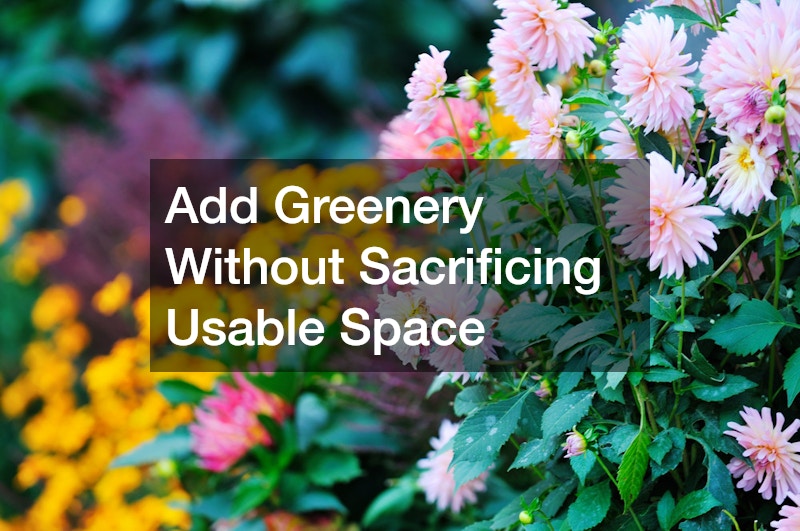
Plants can make an outdoor area feel cooler, more private, and more inviting, but poorly planned landscaping can also consume valuable usable space. Instead of placing planting beds randomly throughout the yard, consider using the perimeter to create a green frame around the main living areas.
Choose plants according to actual growing conditions. Observe how much sunlight each area receives, determine whether the soil drains properly, and consider mature plant size before purchasing anything. A small shrub may fit perfectly when planted but eventually become large enough to crowd a pathway or block a window.
Mulching around planting beds can help create a clean visual boundary while reducing competition from weeds and helping soil retain moisture. Different materials can provide different appearances, so select an option that complements the home’s exterior and surrounding landscape.
Containers are particularly useful when flexibility matters. They can add color and greenery to patios without permanently taking up planting space, and they can be moved when you need more room for entertaining. Vertical gardening can provide another solution where ground space is limited. Trellises, wall-mounted planters, and climbing plants can add visual interest without significantly reducing floor area.
Be careful not to overplant. Leave enough open space for furniture, pathways, and activities. A successful outdoor design balances greenery with usable areas so the landscape enhances the living space rather than competing with it.
Improve Privacy While Preserving Openness
Privacy can make an outdoor area dramatically more comfortable, particularly when neighboring homes are close together. However, completely enclosing the yard is not always the best solution. The goal should be to block problematic sightlines while maintaining light, airflow, and a sense of openness.
Begin by identifying exactly where privacy is needed. Stand in the seating and dining areas and look toward neighboring properties, streets, and other sources of visual exposure. You may discover that only one or two angles need to be addressed.
Custom wood fencing can provide targeted privacy while allowing you to choose a height, style, and configuration that complements the home. Rather than surrounding the entire property with a tall barrier, consider using fencing only along the most exposed boundaries or behind specific seating areas.
Plants can soften the appearance of privacy structures. Trees, shrubs, and climbing plants can add texture and greenery while breaking up large expanses of fencing. Layering different heights can create privacy without producing the boxed-in feeling that a solid barrier sometimes creates.
Before searching for fence services, verify property boundaries and local requirements. Some communities regulate fence height, placement, materials, and visibility near streets or intersections. Planning these details before construction can prevent expensive modifications later.
Design for Outdoor Entertaining and Everyday Use
An outdoor area should work just as well for an ordinary evening as it does for a large gathering. Flexible furniture and thoughtful placement make it easier to switch between everyday use and entertaining without having to redesign the space each time.
Choose outdoor furniture based on durability as well as appearance. Materials should be appropriate for the local climate and easy to maintain. Consider pieces that can serve multiple purposes, such as benches that accommodate several guests or lightweight chairs that can be moved when additional space is needed.
Think carefully about serving and food preparation. If guests tend to gather around the person preparing food, place serving surfaces where people can interact without blocking cooking or walking areas. Keep frequently needed items within easy reach, but avoid allowing accessories and equipment to spill into circulation paths.
Lighting should be considered early rather than treated as an afterthought. Pathways, stairs, seating areas, and food-preparation surfaces all benefit from appropriate illumination. Layered lighting can create a comfortable atmosphere while improving visibility and safety after sunset.
Storage also contributes to everyday convenience. Cushions, outdoor games, serving pieces, gardening tools, and other accessories should have designated places. Keeping these items nearby reduces the amount of time spent carrying equipment through the house and makes it easier to use the space spontaneously.
Add a Focal Point That Extends Evening Use
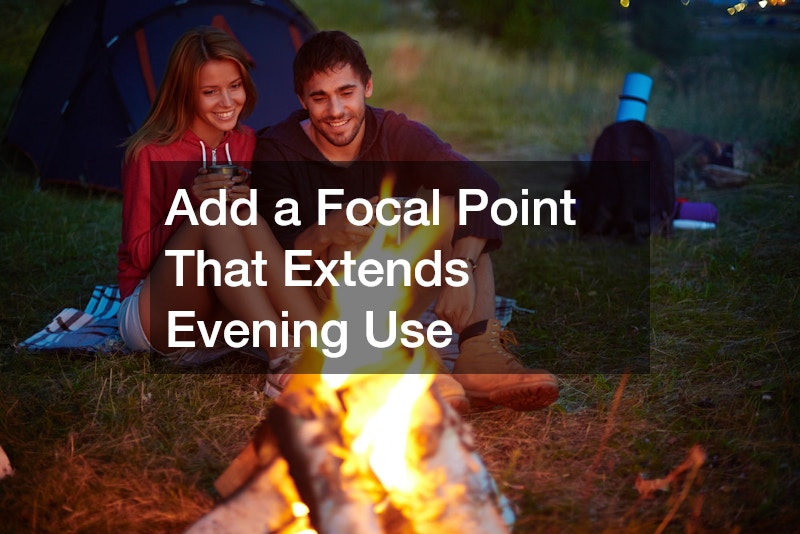
A strong focal point can give an outdoor area a clear center of gravity and encourage people to stay outside after sunset. Fire features are particularly effective because they provide warmth, light, and a natural gathering point.
When sourcing specialized lighting fixtures, patio heaters, weatherproof accent rugs, and decorative lanterns, visiting a dedicated outdoor living store allows homeowners to test product build quality in person, inspect material swatches under natural light, and receive expert advice on product compatibility and long-term maintenance.
An outdoor fireplace can anchor a seating arrangement and create a destination within the yard. When planning one, consider more than appearance. Its location should account for prevailing wind, smoke direction, nearby structures, vegetation, seating clearance, and applicable fire-safety requirements.
Furniture should be arranged so people can enjoy the feature without sitting dangerously close to it. Avoid placing combustible materials where heat could create a hazard, and make sure the surrounding surface is appropriate for the installation.
A focal point does not need to dominate the entire yard. The best designs integrate it with the rest of the space. Seating, lighting, planting, and pathways should lead naturally toward the feature while leaving enough room for other activities.
Permanent fire features require careful construction and may involve local permitting or code requirements. Consulting qualified professionals before installation can help ensure the design is safe, durable, and appropriate for the property.
Turn Your Yard Into an Extension of Home
Maximizing outdoor space is ultimately less about how much property you have and more about how effectively you use it. A carefully planned yard can accommodate dining, relaxation, entertaining, gardening, and quiet time without feeling crowded or complicated.
Start with the activities that matter most to your household. Then organize the space around those priorities, establish comfortable zones, preserve clear pathways, and choose features that perform more than one function whenever possible. Shade, privacy, greenery, lighting, storage, and durable surfaces can all contribute to a more usable environment when they are integrated into the overall design.
Most importantly, resist the urge to add features simply because there is room for them. The best outdoor spaces feel intentional. Every seating area, pathway, planting bed, and structural element should contribute to how you want to experience the property.
With thoughtful planning and attention to everyday needs, an ordinary yard can become a natural extension of the home—a place that feels comfortable for a quiet morning, practical for a family dinner, and welcoming when friends and relatives arrive.