

A full property overhaul is one of the biggest financial decisions most homeowners will ever make, and getting it right means thinking beyond fresh paint and new fixtures. Real value comes from addressing the systems buyers and appraisers actually notice: the roof, the foundation, outdoor living spaces, and the site itself. Rushing into demolition or picking contractors based on price alone can leave you with a property that looks nice but still has costly problems underneath. This guide walks through the major categories to plan for, in the order that makes sense for both your budget and your timeline.
Assessing the Site Before Any Work Begins
Before you touch the structure itself, you need a clear picture of the land your home sits on. Overgrown trees, dense brush, and unstable grading can quietly undermine a renovation budget if they are discovered mid-project instead of during planning. A site assessment should look at drainage patterns, soil stability, and any vegetation that is too close to the foundation or utility lines.
In many cases, land clearing is the first physical task on the project timeline, especially if you are adding a structure, expanding a driveway, or improving drainage across the yard. Clearing overgrown areas early also gives contractors better access for heavy equipment later in the project, which can reduce labor costs across multiple trades.
- Walk the property with a contractor before finalizing your renovation scope
- Note any low spots where water pools after rain
- Flag trees or roots that may interfere with foundation or utility work
- Confirm property lines before any clearing or grading begins
Replacing an Aging Roof System
The roof is one of the first things a buyer or appraiser evaluates, and an aging or damaged one can undercut every other improvement you make. Shingles that are curling, cracked, or missing granules are signs that a replacement is closer than a repair. Getting quotes from a few established roofing companies early in your planning process helps you understand realistic costs before you commit to a full renovation budget.
Timing matters here because roofing work often needs to happen before other exterior upgrades, such as siding or gutter systems, are installed. A new roof also affects your home’s insurability and energy efficiency, both of which matter to future buyers. Ask any contractor you consider about warranty terms, as coverage length varies significantly between manufacturers and installation methods.
- Get at least three written estimates before choosing a contractor
- Ask about material lifespan, not just upfront cost
- Confirm whether old roofing material will be hauled away and disposed of
- Check for manufacturer certifications that may extend warranty coverage
Protecting the Home With Proper Drainage
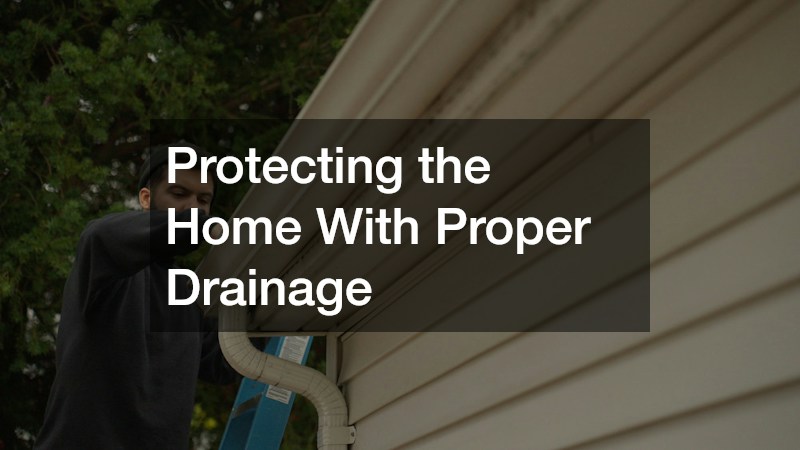
Water damage is one of the most expensive problems to fix after the fact, which makes drainage a priority during any full overhaul. Clogged or poorly sized gutters send water pooling near the foundation instead of away from it, which over time can cause cracking, basement moisture, and landscaping erosion. Scheduling gutter guard installation alongside your roofing work is often more cost effective than doing it as a separate project later.
Guards reduce the frequency of manual cleaning and help prevent debris buildup that leads to overflow during heavy storms. This is especially useful for homes surrounded by mature trees, where leaves and seed pods can clog systems within a single season. A well-planned drainage system protects the investment you are making in the roof, siding, and foundation all at once.
- Choose gutter guard styles rated for your local debris type, such as pine needles or leaves
- Inspect downspouts to confirm they direct water at least several feet from the foundation
- Combine gutter work with roof replacement to save on labor and scheduling
Upgrading Climate Control for Comfort and Efficiency
Heating and cooling systems represent a significant portion of a home’s ongoing operating cost, and buyers increasingly ask about the age and condition of these systems before making an offer. If your property includes any workshop, converted garage, or multi-unit space, you may need more specialized commercial HVAC repair or replacement rather than a standard residential unit. Matching the right system size to the space prevents energy waste and uneven temperatures throughout the home.
A full overhaul is the ideal time to reevaluate ductwork, insulation, and thermostat technology together rather than piecemeal. Old ductwork often leaks conditioned air into attics or crawl spaces, quietly inflating utility bills for years without an obvious cause. Addressing climate control early in the renovation also avoids the need to cut into freshly finished walls or ceilings later.
- Have a technician measure airflow and insulation levels, not just the unit’s age
- Ask about zoned systems if the property has varied usage across rooms or floors
- Replace or seal leaky ductwork before finishing walls and ceilings
Adding Outdoor Living Space That Adds Resale Appeal
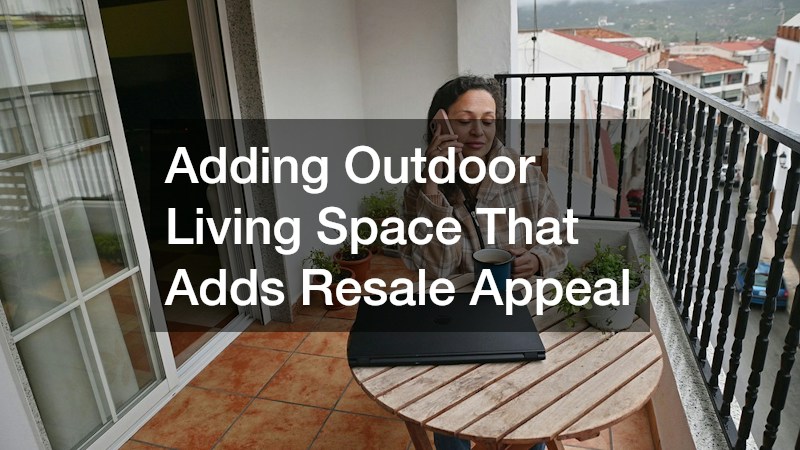
Outdoor spaces have become a major factor in how buyers evaluate a property, particularly patios, decks, and shaded seating areas. A well-designed outdoor room can function as a true extension of the home’s livable square footage, and appraisers and agents increasingly note this when comparing similar listings. Installing outdoor solar shades over a patio or deck allows the space to be used comfortably through more hours of the day, especially in climates with intense afternoon sun. These shades also reduce indoor cooling costs by blocking heat before it reaches windows and doors, which is a selling point buyers notice on utility bills long before they notice design details. Motorized options with remote or app control add a layer of convenience that resonates with tech-minded buyers, while manual roller shades offer a lower-cost alternative for homeowners working within a tighter renovation budget. When planning the installation, consider mounting position, wind exposure, and fabric opacity, since a 90% blockage screen behaves very differently than a lighter 50% shade in terms of both heat reduction and airflow. Pairing shades with ceiling fans, string lighting, or a small outdoor kitchen area can further boost perceived value, turning a simple patio into a genuine outdoor living room that photographs well for listings and appeals strongly during walkthroughs.
Beyond shades, a retractable awning can extend usable outdoor space during light rain or high heat, making it a practical addition rather than a purely decorative one. Many models retract at the push of a button and offer wind and light sensors that automatically close the fabric when conditions turn, which protects the structure and reduces the chance of damage during a sudden storm. Depending on size and features, a quality retractable awning typically runs between $2,000 and $8,000 installed, a range that still tends to deliver a better return than many purely cosmetic upgrades. Working with an experienced awning company ensures the structure is rated for local wind conditions and properly anchored to the home or a freestanding frame. This matters more than most homeowners expect, since an awning rated for a mild climate can fail or tear in areas prone to gusty afternoon storms. A reputable installer will also account for the mounting surface, whether it’s brick, siding, or stucco, and adjust the anchoring method so the structure doesn’t loosen over time or cause water intrusion. These additions tend to photograph well for listings too, which matters if you plan to sell within a few years of finishing the project. A shaded patio or deck reads as move-in-ready outdoor living space in photos, and buyers often mentally add square footage to a home once they see a usable, covered area. Pairing the awning with simple touches like outdoor lighting or a ceiling fan can further reinforce that the space functions as a genuine extension of the home rather than an afterthought.
- Measure sun exposure at different times of day, in different seasons, before choosing shade placement — a spot shaded in winter may be blazing by midsummer
- Ask about motorized versus manual shade and awning controls, and whether motorized options offer app or wind-sensor automation
- Confirm wind and weather ratings for any retractable structure, since most awnings only withstand light-to-moderate gusts (around 20-25 mph) before requiring retraction
- Check warranty terms on fabric fading, frame corrosion, and motor components separately, as coverage often varies by part
- Consider adding a paved or decked footprint under the shaded area, since buyers value defined, usable square footage over bare shade alone
Preparing for Severe Weather Events
Depending on your region, severe weather preparedness can be a genuine selling point rather than an afterthought. Homeowners in tornado or hurricane-prone areas are increasingly asking builders to include a storm shelter as part of a full property overhaul, either below ground or as a reinforced interior room. This is easiest and least expensive to plan during a larger renovation, since access and plumbing routes are already being reconsidered.
A shelter does not need to be elaborate to be effective, but it does need to meet recognized safety standards for ventilation, structural reinforcement, and access points. Local building codes often dictate placement and size requirements, so it is worth checking these before finalizing the design. Buyers in weather-prone markets increasingly view this as a meaningful upgrade rather than a niche feature.
- Check FEMA guidelines or local code requirements before building
- Choose a location with easy access from main living areas
- Confirm ventilation and emergency exit requirements are met
Improving the Driveway and Hardscape Surfaces

Cracked, uneven, or crumbling driveways are one of the first things visitors and potential buyers notice, and they are also one of the more affordable upgrades relative to their visual impact. Asphalt paving is a popular choice for driveways and walkways because it is durable, relatively quick to install, and easier to repair in sections compared to some other surface materials. Proper base preparation matters just as much as the paving material itself, since a weak base leads to cracking within just a few years.
Timing paving work toward the end of a larger renovation project is usually smart, since heavy equipment and material deliveries can damage a freshly finished surface. Sealcoating every few years extends the life of an asphalt surface significantly and keeps it looking newly installed. This is one of the more visible upgrades in terms of curb appeal, so it is worth getting the details right.
- Schedule paving after major construction traffic has ended
- Ask about base depth and compaction methods before work begins
- Plan for sealcoating every two to three years to extend surface life
Defining Property Boundaries and Privacy
A full overhaul is a natural opportunity to reconsider fencing, both for privacy and for defining usable outdoor space more clearly. Materials vary widely in cost, maintenance, and lifespan, so it helps to think about how the fence will be used before choosing a style. A fence around a pool or play area, for example, has different safety requirements than one meant simply to mark a property line.
Beyond function, fencing also affects how a property is perceived from the street, since it is one of the first structures a visitor or buyer sees. Choosing a style that complements the home’s architecture rather than clashing with it tends to hold value better over time. It is also worth confirming setback requirements with your local municipality before installation begins.
- Check local setback and height regulations before finalizing plans
- Choose materials based on maintenance tolerance, not just upfront cost
- Consider gate placement in relation to driveways and walkways
Modernizing Kitchens and Bathrooms With Durable Materials

Kitchens and bathrooms consistently rank among the highest-return spaces in a full property overhaul, largely because buyers scrutinize these rooms closely. Quartz countertops have become a preferred choice for many homeowners because they resist staining and scratching better than many natural stone alternatives while requiring very little maintenance. Unlike granite, quartz does not need periodic sealing, which makes it appealing to buyers who want durability without ongoing upkeep.
When planning countertop selection, it helps to think about the overall color palette of cabinets and flooring rather than choosing the surface in isolation. Lighter quartz tones tend to make smaller kitchens feel more open, while darker tones can add contrast in larger spaces with abundant natural light. Since these renovations are visible and heavily weighted in buyer decisions, it is worth spending a little more time selecting finishes that will still look current in five or ten years.
- Bring cabinet and flooring samples when selecting countertop color
- Ask about seam placement for larger countertop spans
- Compare warranty terms between quartz manufacturers
A full property overhaul adds the most value when it is approached as a sequence of connected decisions rather than a list of unrelated projects. Starting with the site and structural systems, then moving toward comfort, protection, and finish work, helps avoid costly rework and keeps the budget under control. Take time to get multiple quotes, verify credentials, and prioritize the upgrades that matter most for your climate and neighborhood. With a clear plan in hand, you can move forward confidently knowing each phase supports the next.