

Your property is constantly under attack from forces you can’t always see: aging pipes, worn roofing, failing mechanical systems, and even tiny pests hiding in the grass. Many of these problems develop slowly and quietly, only announcing themselves after they’ve caused expensive damage. The good news is that most of these risks are predictable and preventable if you know where to look. This guide walks through the most commonly overlooked trouble spots around your home so you can catch issues early and protect your investment.
Aging Roof Shingles and Flashing
Your roof takes the brunt of sun, wind, hail, and rain every year, yet most homeowners never inspect it until a leak shows up on the ceiling. A typical asphalt shingle roof is rated for 20 to 25 years, but intense summer heat, freeze-thaw cycles, and storm debris can shorten that lifespan considerably. Curling edges, missing granules, or shingles that look bruised after a hailstorm are all signs that the material is breaking down faster than expected. Small cracks in shingles or lifted flashing around chimneys, skylights, and vent pipes let water seep into the decking long before you notice a stain indoors. These are the most common leak points because flashing relies on sealant and metal seams that shrink, rust, or separate with age and temperature swings.
Even a gap of an inch or two is enough for wind-driven rain to work its way underneath during a storm. Once moisture reaches the wood layers underneath, you’re looking at rot, mold, and a much costlier fix than a simple patch job. What starts as a $300 flashing repair can turn into several thousand dollars of decking and insulation replacement if the damage spreads unnoticed for a season or two. Sagging spots on the roofline or a musty smell in the attic are often the first clues that this has already begun. Scheduling an annual inspection with experienced roofing contractors can catch these early warning signs before they turn into structural problems. Many roofing contractors also recommend a follow-up check after major storms, since hidden damage from hail or high wind isn’t always visible from the ground.
Granule loss, curling edges, and missing shingles after a storm are all signals that your roof needs attention sooner rather than later. Granules protect shingles from UV damage, so finding them piling up in gutters or at the base of downspouts is an early warning sign, even before bald spots become visible on the roof itself. Shingles typically last 20 to 30 years depending on material and climate, but intense sun, hail, and wind can shorten that lifespan considerably.
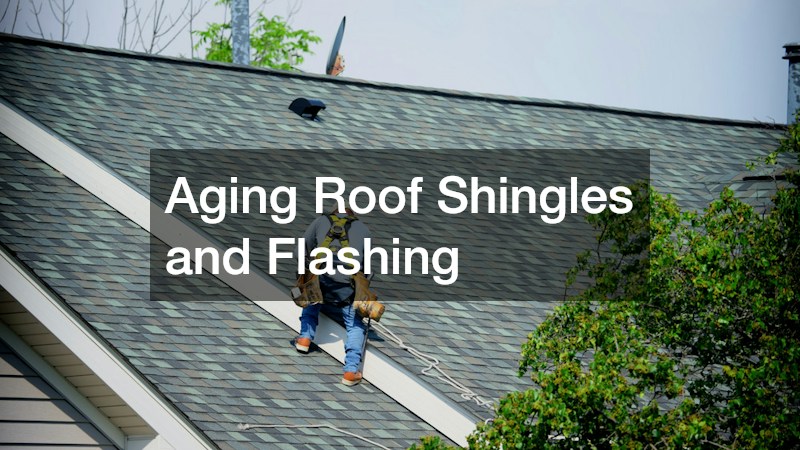
Flashing deserves just as much attention as the shingles themselves. This thin metal material seals the joints around chimneys, vent pipes, and skylights, and when it rusts, cracks, or pulls away, water can seep into the roof deck without any obvious signs from the ground. A surprising number of leaks trace back to failed flashing rather than damaged shingles. Even a roof that looks fine from the ground can have damage that’s only visible up close or from the attic side. Dark streaks, soft spots, or a sagging roofline often point to moisture trapped beneath the surface. Inside the attic, watch for daylight peeking through the roof boards, water stains on the rafters, or a musty smell that suggests mold growth.
Catching these issues early often means the difference between a minor repair and a full replacement. A professional inspection after major storms, or at least once a year, can identify problems while they’re still a few hundred dollars to fix rather than several thousand.
- Check gutters and downspout splash areas for granule buildup (resembling coarse sand), which signals shingle wear and UV breakdown
- Look for daylight through the attic boards after a storm, plus check for damp insulation or water stains on rafters
- Inspect flashing around chimneys, skylights, and vent pipes for rust, cracked sealant, or lifted edges where water can sneak in
- Note any sagging areas on the roofline from the street, especially near valleys or load-bearing walls, which can indicate rotted decking
- Watch for curling, cupping, or missing shingles, particularly after high winds, as these expose the underlayment to moisture
- Check for dark streaks or moss growth, which trap moisture against the roof surface and accelerate deterioration
- Keep a rough timeline in mind: most asphalt shingle roofs last 20-25 years, so age alone warrants closer inspection
Storm Damage and Leak Prevention
Severe weather can compromise a roof in ways that aren’t obvious until months later, when a slow leak finally soaks through insulation and drywall. High winds can loosen shingles just enough to let water in without tearing them off completely, so the damage hides until the next heavy rain. Acting quickly after a major storm by calling in roof repair specialists can prevent a small issue from spreading into the attic or walls. Insurance companies also tend to look more favorably on claims filed soon after a storm event rather than months later.
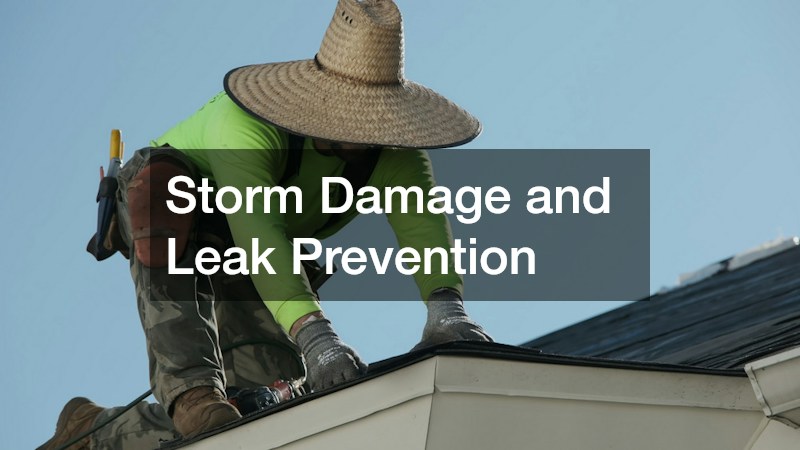
Ignoring minor leaks is one of the costliest mistakes a homeowner can make, since water damage tends to spread quietly behind walls and ceilings. A stain the size of a coin today can represent a much larger saturated area above it. Addressing leaks promptly protects both your roof structure and your home’s interior finishes.
Outdoor Living Spaces and Wood Surfaces
Decks and other outdoor wood structures are constantly exposed to sun, rain, and temperature swings, which gradually breaks down protective coatings and the wood fibers beneath them. UV rays bleach and dry out the wood’s natural oils, while repeated wet-dry cycles cause boards to swell, shrink, and eventually crack. Graying, splintering boards or soft spots underfoot are signs that moisture has gotten past the surface finish and started attacking the wood itself.
A simple screwdriver test can reveal problems before they’re visible: press the tip firmly into suspect boards, railings, or posts, especially near ground contact points. If it sinks in easily or the wood feels spongy, rot has likely set in beneath the surface. Pay particular attention to stair stringers, ledger boards where the deck attaches to the house, and the base of support posts, since these areas trap moisture and bear the most structural load.
Left unaddressed, this deterioration can compromise railings and support posts, creating a genuine safety hazard for anyone standing on the deck. A railing that looks fine but wobbles when pushed, or fasteners that have rusted and loosened, are often early warnings of hidden decay rather than just cosmetic wear. Investing in deck restoration every two to three years, depending on your climate and the type of wood, keeps the surface sealed against moisture and extends the life of the entire structure significantly. This typically involves pressure washing to remove grime and old finish, sanding down rough or splintered areas, and applying a fresh coat of water-repellent sealant or stain.

Composite decking requires less upkeep but still benefits from periodic cleaning to prevent mold and mildew buildup in damp, shaded spots.
- Test boards for softness or give by pressing a screwdriver into the wood; if it sinks in easily, rot has likely set in
- Focus inspections on ground-contact points like deck posts, stair stringers, and areas where wood meets concrete footings
- Reapply sealant or stain every two to three years, though high-sun or high-humidity climates may require yearly touch-ups
- Check railings and stairs for loose or wobbly connections, paying close attention to screws and brackets that have rusted or backed out
- Clear leaves and debris that trap moisture against the wood, especially in corners, between deck boards, and under planters
- Inspect areas shaded by trees or structures, since reduced airflow and sun exposure can accelerate mold and decay
Plumbing Pipes Behind Your Walls
Pipes hidden inside walls and under floors can corrode or develop pinhole leaks for years before any visible sign appears, like a damp patch on a ceiling or a drop in water pressure. Older homes with galvanized steel or early copper plumbing are especially prone to this kind of slow, hidden failure. Repiping an entire home might sound like a drastic step, but it’s often far less expensive in the long run than repairing repeated leaks and the water damage they cause. Replacing old pipe materials with modern, corrosion-resistant piping also improves water quality and flow throughout the house.
Warning signs of failing plumbing are easy to dismiss as minor inconveniences, but they usually point to a bigger issue building underneath the surface. Discolored water, unexplained spikes in your water bill, or low pressure in multiple fixtures at once all deserve a closer look from a professional before they escalate.
Furnace and Heating System Wear
A furnace that’s quietly losing efficiency rarely announces itself with a dramatic breakdown; instead, you’ll notice higher energy bills, uneven heating, or a slightly off smell when the system kicks on. Dust and debris buildup inside the unit can strain the blower motor and heat exchanger over time, shortening the system’s lifespan considerably. Scheduling furnace repair at the first sign of trouble, rather than waiting for a complete shutdown in the middle of winter, can save you from an emergency service call during the coldest week of the year.
- Listen for unusual rattling, banging, or screeching sounds
- Watch for yellow or flickering pilot lights instead of steady blue flames
- Replace air filters every one to three months for better airflow
- Note any rooms that heat unevenly compared to others
Home Heating Efficiency and System Age
Beyond individual repairs, the overall age and design of your heating system plays a huge role in how much you spend to stay warm each winter. Systems older than fifteen years often run far less efficiently than current models, even when they’re still technically functional. Bringing in local heating contractors for a full system evaluation can reveal whether a repair makes sense or whether replacement would actually save you more money over the next few years. They can also check ductwork for leaks that waste conditioned air before it ever reaches your living spaces.

Air Conditioning Performance and Cooling Costs
Cooling systems face their own version of hidden wear, often tied to refrigerant leaks, dirty coils, or a thermostat that’s no longer calibrated correctly. A unit that runs constantly without actually cooling the house down is burning through energy while barely doing its job. Bringing in AC companies for a seasonal tune-up before the peak summer months can catch small issues, like a clogged condensate line, before they turn into a full system failure on the hottest day of the year. Regular maintenance also tends to extend the overall lifespan of the equipment by several years.
Ignoring strange noises or weak airflow from vents is a common mistake that leads to bigger repair bills down the line. A system that’s struggling to keep up with demand is also working harder than it needs to, which shows up directly in your monthly utility costs.
Yard Pests and Tick Exposure
Overgrown grass, leaf piles, and dense shrubs near the edges of your yard create ideal hiding spots for ticks, which can carry Lyme disease and other illnesses that affect both people and pets. These pests are easy to overlook since they’re small and tend to stay low in vegetation rather than announcing their presence. Professional tick control treatments applied to the perimeter of your yard can dramatically reduce the population before anyone steps outside for a barbecue or a game of catch. Keeping grass trimmed short and clearing brush piles also helps reduce the habitat these pests rely on.
- Check pets and children for ticks after any time spent in tall grass
- Keep woodpiles and leaf litter away from the house and play areas
- Create a mulch or gravel barrier between lawns and wooded areas
- Treat the yard seasonally, especially in spring and early fall
Choosing the Right Professional for Roof Projects
When a roof issue turns out to be more than a simple patch, choosing the right team for the job matters just as much as catching the problem in the first place. Reputable roofing companies will offer a written estimate, carry proper insurance, and explain exactly what materials they plan to use before any work begins. Getting multiple quotes and checking references helps you avoid rushed, low-quality repairs that fail again within a year or two. A well-installed roof should come with a warranty that covers both materials and workmanship for genuine peace of mind.
Most of the risks lurking around your property share one thing in common: they’re far cheaper to address early than to ignore. A quick seasonal walk-through of your roof, yard, pipes, and mechanical systems can reveal small issues long before they become expensive emergencies. Pay attention to the warning signs outlined above and don’t hesitate to call in a qualified professional when something seems off. Taking a proactive approach today is the simplest way to protect your home’s value and your family’s safety for years to come.