

A home’s exterior is far more than just a visual statement; it is a complex protective shell that preserves the structural integrity and value of your largest investment. When homeowners consider a “makeover,” they often focus on superficial changes like a new door color or updated shutters. However, a truly comprehensive renovation addresses the property from the ground up, integrating the driveway, the garage, and the very bones of the house into a singular, cohesive vision.
An in-depth exterior renovation not only skyrockets your property’s market value but also protects the interior from environmental stressors. This guide explores the technical and aesthetic nuances of a total exterior overhaul, providing actionable insights for every stage of the journey from planning to the final walkthrough.
Assessing Structural Health and Groundwork
Before you select a single paint swatch or stone veneer, you must look at the “bones” of your property. Any exterior work performed on top of a shifting or cracking base is a wasted investment. Identifying structural concerns early prevents the heartbreak of seeing new siding or expensive masonry crack within months of installation due to ground movement.
The Importance of a Solid Base
Water is the primary enemy of any home. Walk your property during a heavy rainstorm to identify pooling issues. If water is collecting within three feet of your exterior walls, your grading is failing. Over time, this moisture seeps into the concrete or block walls of your home, leading to mold, efflorescence, and structural weakening.
If you notice horizontal cracks or significant bowing in your lower-level walls, you must consult a professional. Engaging a foundation contractor early in the process ensures that the house is stabilized and leveled before any cosmetic upgrades begin. They can install piers, carbon fiber straps, or improved drainage systems that act as the invisible insurance policy for your entire makeover.
Preparing the Surface
Once the structure is sound, focus on the immediate perimeter. Clear all debris and old mulch away from the house. You should ideally have at least six inches of the base visible above the soil line to prevent pest infestation and moisture wicking into your wall plates.
The Driveway: Engineering Your Arrival

The driveway is often the largest single feature of your front yard, yet it is frequently the most neglected. A cracked, stained, or crumbling path to your home instantly drags down the aesthetic of even the most beautiful architecture. A complete makeover requires choosing a material that balances regional climate resilience with visual appeal.
Choosing the Right Material
For many regions, the flexibility of an asphalt driveway is unmatched. It handles the expansion and contraction of seasonal temperature swings better than more rigid materials, and its deep black finish provides a high-contrast, modern look that makes green lawns and colorful landscaping stand out. Beyond its aesthetic appeal, a professionally installed surface offers impressive longevity and durability, often lasting between 20 to 30 years when properly maintained. It is also a highly cost-effective choice, providing a lower initial price point than pavers or decorative stone while delivering a clean, uniform look that suits various architectural styles. When you are ready to move from planning to execution, sourcing a reputable driveway paving company is vital.
Precision Paving and Professional Finishes
While the main driveway handles the heavy lifting of vehicles, your walkways, porches, and “transition zones” require a different level of finesse. These areas define the flow of movement around your property and serve as the connective tissue between the street and your front door.
The Art of the Pour
Concrete offers a level of customization that other materials cannot match. From sleek, broom-finished modern slabs to intricate stamped patterns that mimic slate or aged wood, the possibilities are endless. However, the quality of the finish depends entirely on the technical skill of the concrete pouring contractors you hire. To ensure a lasting result, your contractor must use a vibratory plate compactor on a thick gravel base, as a lack of sub-base solidity will cause the surface to crack under its own weight regardless of thickness. Furthermore, you should insist on the use of rebar or wire mesh for any structural slabs or high-traffic walkways to provide necessary tensile strength. Finally, adhering to proper curing protocols with adequate hydration during the first 48 hours is critical to prevent surface dusting and premature wear.
By focusing on professional paving and driveways, you create a seamless transition that guides visitors naturally toward your home’s entrance, enhancing the flow and perceived scale of the entire property.
Maximizing the Life of Your Hardscaping
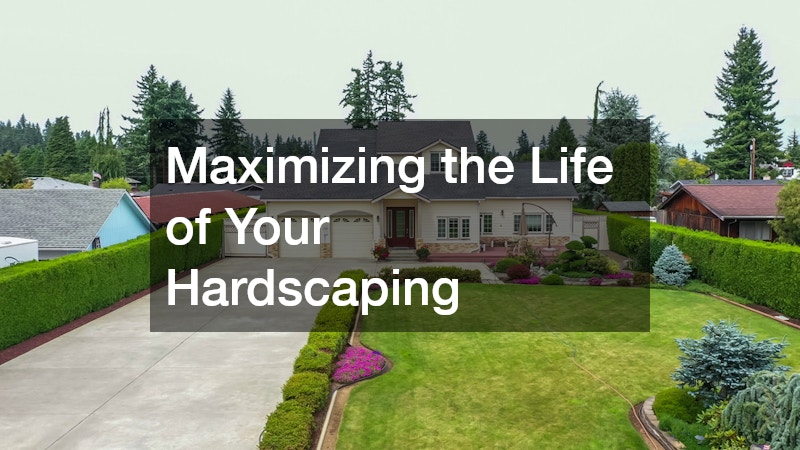
Once your new surfaces are installed, the clock starts ticking against the elements. UV rays, heavy rain, and fluctuating temperatures are constant threats to the integrity of stone, concrete, and bitumen. Maintenance is not just about keeping things looking new; it is about preventing expensive full-scale replacements a decade down the line.
Protecting Your Joints and Surfaces
One of the most critical yet overlooked steps in driveway care is addressing the gaps where different materials meet or where expansion joints exist. Using high-quality driveway caulking in these gaps prevents water from seeping under the slabs. When water gets underneath, it can erode the supporting soil or freeze and heave the entire surface, causing irreparable cracks.
Furthermore, porous surfaces like asphalt need a sacrificial layer to take the brunt of the weather. Hiring a professional sealcoating contractor every two to three years will replenish the oils in the material and provide a jet-black finish that looks brand new. This layer acts as a barrier against oil leaks, road salt, and the oxidizing effects of the sun.
Reimagining the Garage as an Architectural Feature
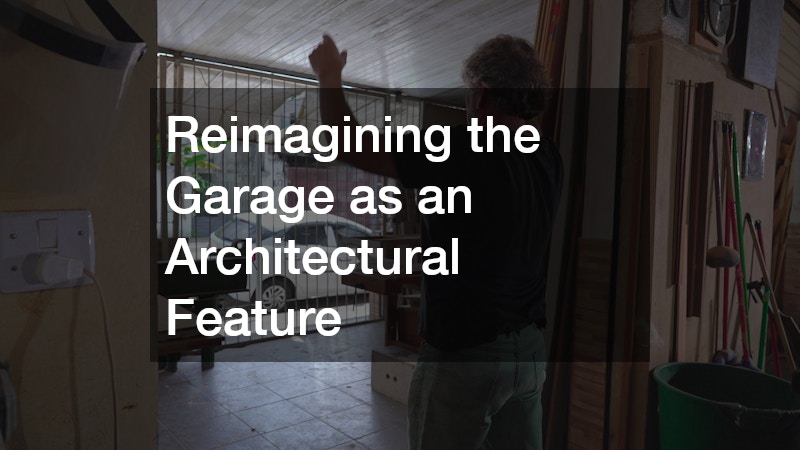
In a complete exterior makeover, the garage should never be treated as a mere utility shed. Modern design trends have shifted toward making the garage a focal point that complements the main house. This involves upgrading the siding, matching the roofline, and ensuring the internal systems are as robust as the external ones.
Building for Multi-Functional Use
Whether you are looking to create a workshop, a home gym, or simply a pristine place to park, the shell of the building must be sound. Working with a local garage company can help you navigate the specific building codes and setbacks required in your municipality. They can assist in ensuring that any additions or structural changes harmonize with the existing home’s aesthetic.
Upgrading your garages significantly increases the usable square footage of your property, even if they aren’t technically living space. A detached structure, in particular, can be transformed into a stylish outbuilding that echoes the architectural language of the primary residence, using the same window styles and trim details.
Internal Upgrades for External Value
Small details within the structure can yield significant external value. For instance, integrated soffit lighting on the garage exterior provides both security and a sense of drama to the property after dark. Additionally, maintaining a clean and organized interior that is visible from the street when the door is up contributes to the overall impression of a well-maintained and high-quality home.
The Ultimate Entrance: Garage Doors and Access
The most visible part of any garage—and often one of the largest visual elements of your home’s facade—is the door. A builder-grade, dented metal door can ruin the curb-appeal of even the most expensive renovation.
Selecting the Right Door Style
Modern doors come in a variety of materials and styles that can drastically change the home’s personality. Steel doors are highly favored for their durability and low maintenance, often featuring realistic wood-grain textures. For modern or mid-century homes, aluminum and glass doors are ideal as they allow natural light to flood the interior. For those seeking a classic look, composite wood offers the beauty of real wood without the risk of rotting or warping in humid climates.
Because garage doors are under immense spring tension and require precise alignment for a weather-tight seal, this is not a DIY job. Professional garage door installation ensures that the door is balanced correctly. This not only keeps the operation quiet but also saves your opener’s motor from burning out prematurely, ensuring the door remains an asset rather than a maintenance headache.
Integrating Landscape and Lighting
A complete makeover isn’t finished until the hard elements of the home and driveway are softened by thoughtful landscaping. This is the stage where you can inject personality, color, and texture into the project.
Creating Visual Balance and Focus
Effective foundation plantings utilize a mix of evergreens and perennials to provide year-round interest. It is important to avoid planting large-root trees too close to the home to prevent interference with drainage and foundation systems over time. For safety and ambiance, low-voltage LED lighting along walkways and driveway edges highlights the textures of your new stone or concrete work at night, creating a luxury resort feel. Finally, specimen plants like a Japanese Maple or large architectural planters can be used as focal points to draw the eye toward the front door, making the entrance the clear destination.
Smart Technology Integration
Incorporate smart timers or photocells for your exterior lighting. Having the home automatically illuminate at dusk creates a warm, welcoming environment and acts as a significant deterrent to intruders. You can also integrate your garage opener and gate systems into a single app for seamless access as you pull into your newly paved driveway.
Budgeting and Professional Project Management
With so many moving parts—from structural work to paving and garage updates—organization is your best friend. A project of this scale requires a logical sequence to ensure that new work isn’t damaged by subsequent phases of the renovation.
Creating a Phased Timeline
If you cannot do everything at once, follow a logical order to protect your investment. First, address structural and foundation issues to fix the base and drainage before any surfacing begins. Second, perform roofing and siding work from the top down so debris doesn’t fall on new landscaping or driveways. Third, update the outbuildings and main garage structures including the doors. Fourth, ensure all heavy machinery is gone before the final paving is laid for driveways and paths. Finally, install landscaping as the finishing touch once all heavy traffic has ceased.
Vetting Your Contractors
Don’t just go with the lowest bid. Ask for references and specifically ask to see projects that are at least five years old. Any renovation looks good the day it’s finished; the true test of a contractor’s skill is how their work holds up after several cycles of freezing and thawing. Verify licenses and insurance, especially for high-risk jobs like paving or structural foundation work.
Technical Nuances of Exterior Finishes
When selecting finishes for your siding, trim, and doors, consider the long-term color stability. Darker colors on the south-facing side of a house will fade significantly faster and absorb more heat, which can lead to the warping of certain vinyl or composite materials.
Homeowners should look for paints and stains specifically formulated with UV inhibitors to combat this issue. Additionally, ensure that the sealants used between your siding and windows are compatible with both materials to prevent adhesion failure. If you are adding insulation or changing siding materials, you must ensure your attic and wall cavities can still breathe to prevent moisture buildup.
The Financial Impact of a Total Makeover
While the emotional satisfaction of a beautiful home is significant, the financial ROI (Return on Investment) of exterior work is among the highest in the home improvement industry. Curb appeal is the primary factor in “Days on Market” for real estate listings.
Potential buyers often make a decision within the first 30 seconds of pulling up to a property. A home that features a pristine driveway, a modern garage, and a solid foundation signals that the home has been meticulously maintained. This halo effect often leads buyers to assume the interior systems—like HVAC and plumbing—are in equally good condition, allowing for a higher asking price and a smoother closing process.
Achieving a Unified Exterior Vision
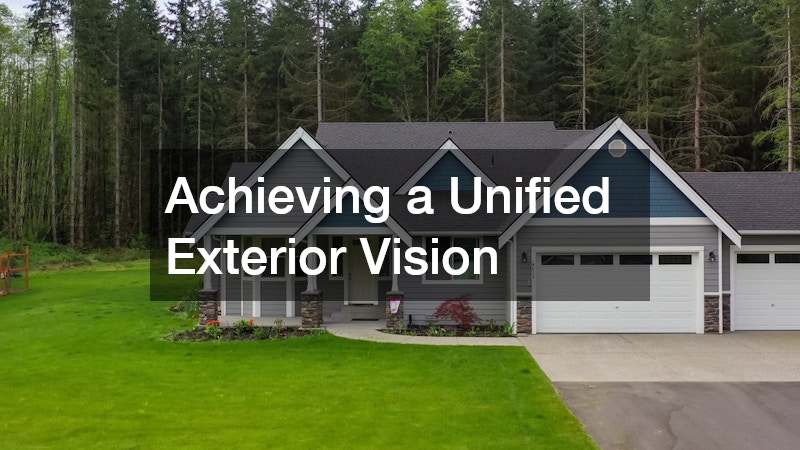
A complete home exterior makeover is an investment in both your property’s future and your daily quality of life. By looking beyond simple aesthetics and focusing on the structural health of your foundation, the durability of your driveway, and the functionality of your garage, you create a home that is as resilient as it is beautiful.
This process requires patience and a commitment to quality. When you prioritize professional installation and high-grade materials over quick fixes, you ensure that your home remains a source of pride and a sanctuary for decades to come. Whether you are preparing to sell or settling into your forever home, a comprehensive exterior renovation is the most impactful way to define your space and protect your legacy.
The transformation from a standard house to a neighborhood standout is a journey of details. From the precision of the initial concrete pour to the final bead of caulk on the driveway, every step contributes to a unified, high-value result. With the right partners and a clear plan, your home’s exterior can become a true reflection of the care and quality you value.