
As autumn wanes and winter approaches, temperatures drop dramatically, posing a serious threat to the longevity and vitality of your garden, landscape, and delicate flora. Freezing conditions can cause cellular walls within stems and foliage to burst, leading to permanent damage, dieback, or even the loss of prized specimens. Preparing your yard ahead of winter weather requires foresight, intentional action, and a solid understanding of plant physiology under cold stress. By taking proactive measures, you can ensure that your perennial beds, shrubs, and trees return with vibrant energy when spring arrives.
Understanding the difference between a light frost and a deep freeze is essential when developing an effective protective strategy for your home ecosystem. A light freeze occurs when temperatures drop just below thirty-two degrees Fahrenheit for a few hours, whereas a hard freeze involves sustained sub-freezing temperatures that penetrate deep into the root zone. Protecting your outdoor greenery against these thermal variations demands a combination of insulation methods, moisture management, physical barriers, and strategic canopy care.
Hydrate Soil Thoroughly Before Frost Warnings Take Effect
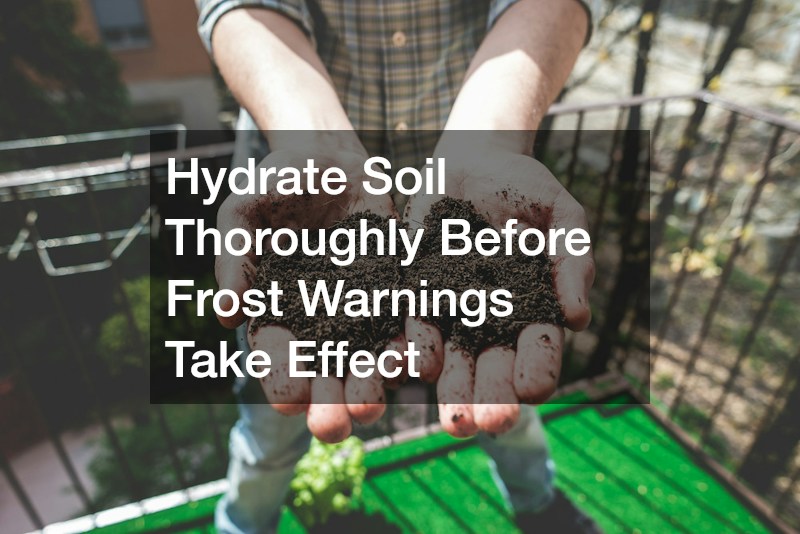
Watering your garden before an expected freeze might sound counterintuitive to novice home gardeners, but damp soil actually retains heat far better than bone-dry earth. As wet soil absorbs radiant solar energy during daytime hours, it traps heat beneath the surface and gradually releases it back into the root zone throughout the cold night. This elevated ground temperature acts as an insulator, shielding tender root systems from sudden, extreme temperature drops that cause frost damage. Additionally, well-hydrated plant tissue holds up much better against harsh, drying winter winds that strip moisture from evergreen leaves.
When preparing for an impending cold front, apply water directly to the soil surrounding your plants early in the morning so the ground has ample opportunity to absorb warmth before darkness falls. Focus heavily on young specimens, perennials, and potted plants that lack deep root structures, ensuring the water reaches several inches down into the soil matrix. Be careful not to spray foliage directly, as excess water sitting on leaves overnight can freeze into ice sheets and harm plant tissue. Taking advantage of professional insights provided by local landscape services can help you tailor your watering routines to your specific soil composition and hardiness zone.
Insulate Soil with Organic Mulch for Subsurface Thermal Retention
Applying a thick layer of organic mulch around the base of your plants creates an exceptional thermal buffer that insulates root zones against severe frost penetration. Mulch prevents rapid soil temperature fluctuations, keeping the ground consistently insulated even as ambient air temperatures swing dramatically overnight. In addition to regulating soil temperature, organic mulches slow water evaporation, helping ground moisture stay accessible to root systems during dry winter stretches. Spread a uniform blanket of bark, straw, shredded leaves, or wood chips around garden beds to establish this critical protective line of defense.
-
Wood Chips and Bark Shreds: Provide long-lasting insulation while gradually breaking down into beneficial organic matter that improves soil structure.
-
Straw and Clean Hay: Ideal for vegetable beds and delicate perennials due to their high trapping capacity for pocketed, insulating warm air.
-
Shredded Leaf Mold: An eco-friendly, nutrient-rich option that recycles autumn leaves while shielding shallow root networks from frost depth.
-
Compost Mixtures: Serve the double purpose of insulating roots while supplying crucial soil microbes to boost springtime growth vigor.
Sourcing high-quality landscape materials from reputable local suppliers ensures that your mulch layer is free from weed seeds, pathogens, and unwanted contaminants. Spread the material roughly three to four inches deep across root zones, keeping it slightly pulled back from plant stems to avoid trunk rot. Replenish thin spots in late autumn so your insulating barrier remains intact throughout the coldest months of winter.
Construct Physical Barriers and Fabric Covers Over Delicate Foliage
When freezing night air descends, shielding delicate shrubs and flowering plants with protective fabrics can raise the ambient temperature around foliage by several crucial degrees. Breathable covers like burlap, specialized frost cloth, or woven cotton sheets trap heat rising from the warmed earth, establishing a microclimate around the canopy. To ensure maximum heat retention, extend covers all the way down to the soil surface and anchor the edges firmly with heavy stones or metal stakes. Avoid using plastic sheeting directly against leaves, as plastic rapidly conducts cold and can burn plant tissue wherever it makes contact.
Constructing a simple wooden or PVC frame around delicate beds keeps protective fabrics suspended slightly above foliage, preventing heavy frost or snowfall from crushing brittle branches beneath. For larger shade trees or mature evergreen hedges, installing protective burlap windbreaks shields plants from severe winter desiccation and freezing gales. Property owners seeking structural help or customized tree services to wrap large, vulnerable landscape elements often find that professional installation provides the sturdiest protection against winter storms.

Protect Vulnerable Root Systems in Above-Ground Containers
Container-grown plants face far greater risk during freezing weather because their root systems sit exposed above ground without the natural thermal mass of the earth. When ambient temperatures plunge below freezing, root balls in ceramic, plastic, or terracotta pots can freeze solid in a matter of hours, leading to severe root mortality. To safeguard potted specimens, move containers into unheated garages, garden sheds, or close to house walls, which naturally radiate ambient home warmth throughout cold nights.
If potted plants are too large or heavy to transport indoors, gather them closely together in a sheltered, south-facing corner of your yard to share heat. Wrap individual pots in heavy layers of bubble wrap, burlap, or foam insulation, and blanket the top layer of potting soil with straw. Property owners seeking comprehensive landscape designer consultations can incorporate built-in sheltered microclimates and insulated planter boxes into their initial yard plans to solve container winterization issues permanently.
Utilize Thermal Heat Sources and Reflective Surfaces Smartly
Creating microclimates within your garden using passive and active heat sources provides an effective defense against sudden, localized freezing events. Masonry walls, stone retaining barriers, and dark paved surfaces act as natural thermal masses, absorbing solar energy during daylight hours and radiating gentle warmth overnight. Positioning tender plants near these hardscape elements offers natural protection against frost. For extreme freezes, supplementing natural thermal mass with outdoor-rated incandescent string lights tucked into foliage supplies localized warmth that raises canopy temperatures above freezing thresholds.
-
Masonry and Brick Walls: Absorb daytime solar radiation and slowly release trapped heat back into nearby garden beds overnight.
-
Incandescent C7/C9 Lights: Produce gentle, direct heat when woven carefully through the inner branches of tender fruit trees or ornamentals.
-
Water Containers: Placing large, dark-colored jugs filled with water near plant stems stores daytime heat and releases it through thermal mass cooling.
-
Reflective Terracotta Pots: Inverted over small individual plants, terra-cotta pots trap earth warmth while blocking freezing night winds.
Hardscaping materials located throughout your yard play a significant role in ambient temperature regulation around surrounding garden spaces. Nearby driveways, walkways, and paths constructed through professional asphalt paving trap significant solar radiation during clear winter days, creating warm micro-zones ideal for nearby plantings. Combining smart hardscape design with targeted heat sources forms a multi-layered barrier against harsh frost events.
Prune Damaged or Weak Tree Branches Before Winter Gales Arrive
Proactive branch management in late autumn prevents catastrophic physical damage to trees and surrounding garden beds when winter storms strike. Dead, diseased, or structurally compromised branches are particularly susceptible to snapping under the weight of heavy ice accumulation or wet snow. When weak branches break, they strip away healthy bark, leaving jagged open wounds that expose the interior wood to deep freezing temperatures and wood-rotting pathogens.
Removing structural hazards ahead of winter preserves the health of the main canopy and prevents falling limbs from crushing delicate understory plantings below. Engaging a licensed tree removal specialist ensures that hazardous, dead, or diseased trees near your property are handled safely before severe winter weather sets in. Clearing out dangerous wood beforehand eliminates winter liability while safeguarding your home and surrounding garden structures.
Shield Young Trunk Bark with Commercial Tree Wraps
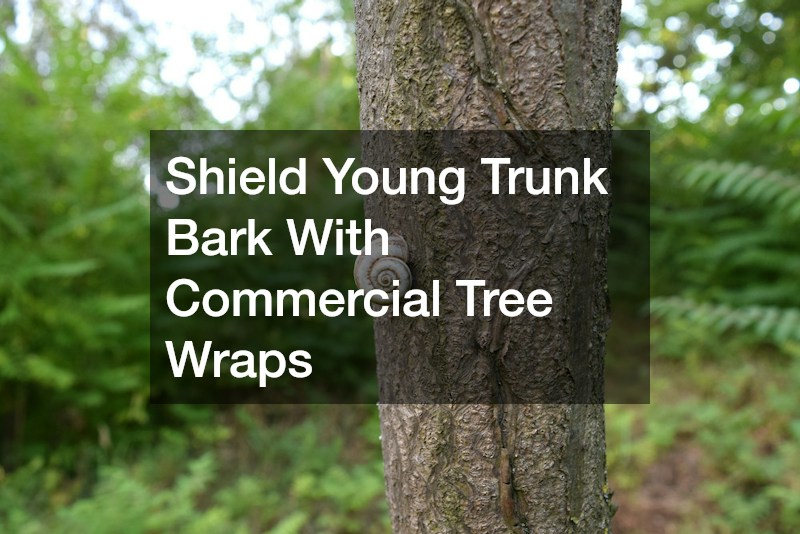
Young trees and thin-barked species are particularly vulnerable to a damaging winter phenomenon known as sunscald, or frost cracking. Sunscald occurs on bright, cold winter days when direct sunlight rapidly heats the dark bark on south- and southwest-facing tree trunks, causing plant cells to break dormancy. Once the sun drops behind the horizon or clouds block the light, bark temperatures plunge instantly back to freezing, killing the reactivated cells and causing the bark to split open in deep vertical fissures.
To prevent sunscald, wrap young tree trunks with commercial crepe paper tree wraps, white plastic guards, or burlap strips running from the soil line up to the lowest main branch. The light-colored material reflects winter sunlight, keeping the trunk bark at a stable, uniform temperature regardless of fluctuating weather. Homeowners can reach out to a certified tree trimming service to assess trunk health, apply protective wraps, and remove lower hazardous limbs simultaneously.
Preserve Canopy Health Through Targeted Pruning and Trimming
Maintaining balanced, structurally sound canopies through selective pruning allows trees to shed heavy snow and withstand freezing winter winds without tearing main branch unions. Overcrowded or crisscrossing branches prevent wind from passing cleanly through the tree, creating excessive resistance during winter gales that leads to structural limb failure. Trimming out dense inner growth opens up the canopy, encouraging strong branch development capable of supporting heavy winter ice loads.
Timing your structural pruning correctly during the dormant season reduces sap loss and minimizes stress on the tree while it is unable to actively grow. Working alongside established tree trimming companies ensures that your trees are pruned using precise, clean cuts that seal properly when spring growth resumes. Proper structural trimming preserves canopy symmetry, improves wind resistance, and reduces structural stress across cold winter months.
Monitor Weather Forecasts and Understand Microclimates
Effective freeze protection relies on accurate environmental monitoring and a deep understanding of the unique microclimates present across your property. Air temperatures can vary by several degrees between high, sunny ridges and low-lying hollows where cold, dense air settles overnight. Recognizing where frost pockets naturally form in your yard allows you to place tender plants in sheltered locations while reserving cold-hardy varieties for exposed zones.
Installing maximum-minimum thermometers or wireless weather sensors in different garden areas provides real-time data regarding actual temperatures at ground level. Keeping close track of local freeze warnings gives you sufficient lead time to apply covers, hydrate soil, and deploy heat sources before temperatures plummet. Consulting with a knowledgeable local tree care company provides invaluable regional insight regarding microclimate tendencies and localized frost trends across your neighborhood.
Provide Comprehensive Post-Freeze Care and Patience
When a freeze strikes your landscape despite your best protective efforts, how you respond in the days following the event dictates long-term plant recovery. It is natural to feel inclined to immediately cut away black, wilted, or brown foliage, but premature pruning often causes far more harm than good. Damaged leaves and stems serve as a protective shield for lower dormant buds; removing them exposes delicate interior tissues to subsequent freeze events later in the season.
Wait until spring arrives and new growth begins to emerge before assessing the full extent of winter frost damage on leaves and branches. Once buds break, you can clearly distinguish dead wood from viable stems and make clean, accurate pruning cuts. Seeking professional guidance from a local arborist allows you to accurately diagnose cold damage, design soil revival strategies, and help recovering trees regain their health after a severe winter freeze.
Protecting your landscape from freezing temperatures requires a thoughtful blend of proactive planning, soil management, physical coverage, and canopy maintenance. By hydrating root zones, applying rich insulating mulches, wrapping tender trunks, and monitoring local microclimates, you safeguard your outdoor investment throughout the harshest months of the year. Patience following a cold event is equally vital, allowing plants the time they need to naturally recover as warmer weather returns. With these proven strategies in place, your garden will weather the winter chill safely and blossom into vibrant health come spring.