
Creating an outdoor sanctuary that combines aesthetic beauty with functional durability requires a thoughtful approach to design, planning, and execution. Many homeowners dream of a striking exterior that enhances curb appeal while providing a relaxing retreat for weekends and evenings, yet they often worry about the relentless upkeep required to maintain it. The secret to bridging this gap lies in designing a low-maintenance outdoor living oasis that balances structural integrity with low-effort landscape choices. By shifting the focus from high-maintenance elements to sustainable infrastructure, long-lasting materials, and intelligent layouts, you can build an exterior space that looks pristine year-round with minimal manual effort.
1. Preparing the Foundations of Your Property Layout
The journey toward a long-lasting outdoor living area begins long before any decorative surface materials or lush foliage are installed. Preparing the ground correctly ensures that your overall design remains stable, safe, and visually appealing for decades without sagging, erosion, or unexpected drainage issues. Properly assessing the natural elevation of your yard helps prevent water from pooling near the foundation of your home or across your main entertaining zones. Grading the land and managing subsurface soil conditions creates a reliable base that supports heavy structures like stone walls, outdoor kitchens, and covered dining areas. During this early phase, clearing out deep roots, unyielding boulders, and uneven terrain is essential for establishing clean lines and smooth transitions. Working alongside skilled excavation companies allows property owners to reconfigure their landscape safely, ensuring that underground utilities are avoided and the soil is compacted to precise engineering standards before any building begins.
- Proper soil grading prevents standing water and long-term foundation damage.
- Underground utility marking prevents accidental line disruptions during initial land prep.
- Deep site leveling creates a stable sub-base for high-traffic patio surfaces.
Taking the time to stabilize the earth upfront reduces the likelihood of costly structural repairs in the future, giving your hardscape features the solid backing they need to resist settling and seasonal frost shifts.
2. Clearing the Way for Maximum Design Sunlight
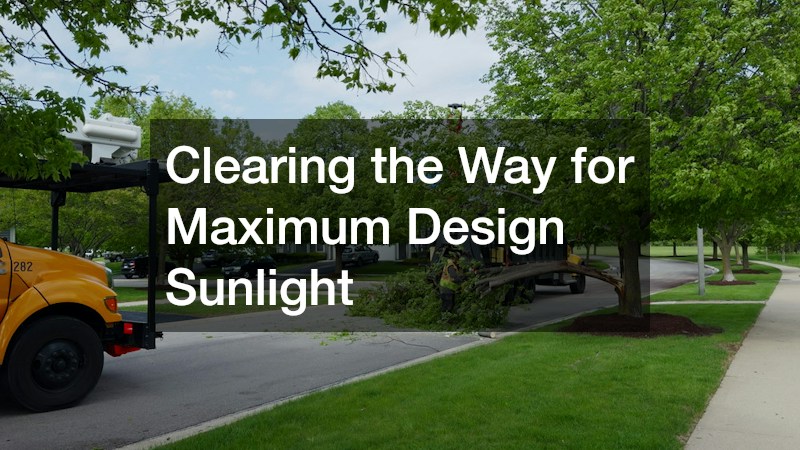
A truly low-maintenance design relies heavily on strategic spatial management, which often requires removing hazardous or overgrown natural elements that obstruct your planned layout. Older trees with invasive root systems can crack nearby concrete, lift stone pavers, and create constant debris that requires daily sweeping and gutter cleaning. Furthermore, dense canopy cover can prevent sun-loving grass varieties or ground covers from thriving, leading to patchy dirt areas that easily turn into muddy messes during heavy rains. Selecting local tree removals gives you complete control over the sunlight, shadow, and overhead clearance across your property, allowing you to position patio areas, sun decks, and low-maintenance gardens where they’ll receive optimal exposure. Removing risky branches or declining trees also protects your hardscape investments from storm damage, dropping sap, and falling limbs.
- Canopy thinning increases natural sunlight for low-effort ground covers.
- Removing decay-prone trees reduces ongoing yard waste and storm damage risks.
- Eliminating aggressive roots protects underground pipes and nearby stone pathways.
By having a tree removal company manage the mature trees on your property, you create a safer, cleaner environment that naturally minimizes routine yard cleanup and opens up vast possibilities for new outdoor features.
3. Eliminating Below-Ground Impediments to Hardscape Stability
Once larger overhead branches and problematic trees have been safely taken down, the remaining below-ground wood presents its own unique set of challenges for long-term outdoor design. Subterranean root networks and leftover tree bases gradually decay over several years, creating hidden air pockets beneath the soil surface. If heavy stone, brick, or concrete surfaces are built over these unstable spots, the ground will eventually sink, causing costly cracking, tripping hazards, and unsightly dips in your beautiful new layout. Investing in professional stump removals ensures that these organic obstructions are completely ground down and extracted from the earth before construction moves forward.
- Ground-down wood waste can be repurposed as organic mulch for planting beds.
- Removing subterranean wood prevents subterranean pests from nesting near your home.
- Eliminating underground roots guarantees an even, stable base for future construction.
Clearing out these deep subterranean obstacles gives your site preparation crew a completely clean canvas, guaranteeing that your paved surfaces, retaining walls, and surrounding garden areas remain perfectly level and structural sound over the full lifespan of your exterior living space.
4. Selecting Sustainable Greenery for Low-Effort Beauty
Plant selection plays a pivotal role in determining how much time you’ll spend pulling weeds, pruning overgrown branches, and dragging garden hoses across your yard every summer. A low-maintenance landscape trades delicate, high-fussy exotic annuals for robust, disease-resistant perennials, native grasses, and hardy evergreen shrubs that thrive naturally in your local climate. Designing distinct planting beds with heavy-duty weed barriers and thick layers of organic mulch helps retain soil moisture while choking out unwanted weed growth automatically. Partnering with reputable wholesale plant services allows homeowners and landscape designers to source bulk quantities of high-quality, regionally adapted flora directly, ensuring uniform health and appearance across large garden borders and perimeter screens.
- Native plant choices require significantly less artificial irrigation and chemical treatment.
- Perennial mass plantings deliver reliable year-round color without annual replanting.
- Bulk sourcing ensures consistent plant sizing and healthy root systems across your layout.
By curating a thoughtful plant palette that largely takes care of itself, you enhance your home’s curb appeal while freeing up your weekends to simply sit back and enjoy the surrounding greenery without endless garden chores.
5. Building Strong and Functional Gathering Spaces
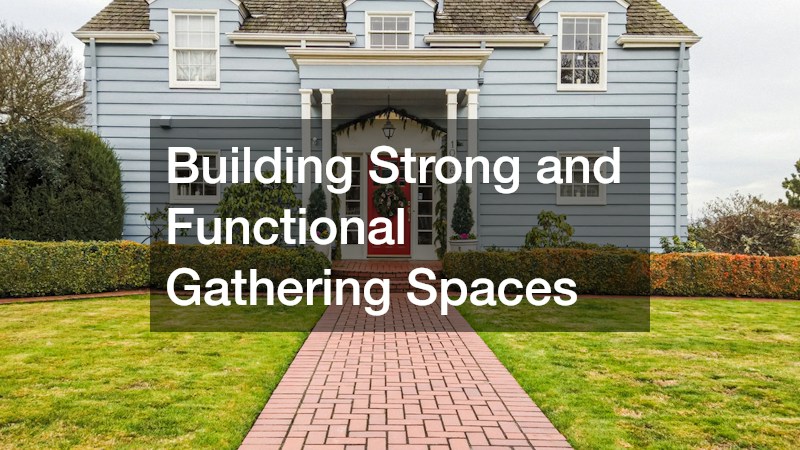
Hardscaping forms the structural backbone of any low-maintenance outdoor sanctuary, replacing delicate lawn grass with durable, weather-resistant surfaces that require no mowing, fertilizing, or reseeding. High-quality pavers, natural stone, and poured concrete create clean, walkable zones for dining, lounging, and gathering around outdoor fireplaces. The key to maintaining these areas effortlessly is selecting non-porous or properly sealed materials that resist staining, moss growth, and color fading over years of exposure to the elements. Hiring a skilled local hardscaping company ensures that your stone pathways, retaining walls, and custom patios are installed with precise joint spacing, adequate drainage slopes, and robust edge restraints that prevent shifting over time.
- Interlocking stone pavers allow for easy individual replacement if damage ever occurs.
- Built-in stone seating reduces the need for bulky, weather-sensitive patio furniture.
- Retaining walls manage grade changes while doubling as low-maintenance decorative borders.
With the right hardscape design, your main outdoor living areas remain perpetually tidy, inviting, and ready for entertaining at a moment’s notice with nothing more than a quick sweep or light washdown.
6. Integrating Water Features and Seamless Aquatic Recesses
Water elements bring an unmatched sense of tranquility and luxury to any residential backyard, turning a standard patio area into a resort-style retreat. When designed with low-maintenance goals in mind, modern pools and integrated spas feature automated filtration, salt-chlorination systems, and durable interior finishes that keep water crystal clear with minimal chemical intervention. Incorporating smooth stone coping, wide sun shelves, and slip-resistant surrounding decks ensures that your aquatic zone is as safe and easy to navigate as it is beautiful. Choosing experienced pool patio contractors ensures that the critical transition zone between your water feature and the surrounding living space is constructed using heat-resistant, fast-draining materials that withstand constant moisture and heavy foot traffic.
- Slip-resistant stone surrounds enhance safety around wet pool perimeters.
- Automated pool covers reduce leaf debris and minimize water evaporation rates.
- Integrated deck drainage systems carry splash-out water safely away from living areas.
When your aquatic features and surrounding hardscaping are engineered to work in harmony, maintaining a clean, refreshing swimming area becomes an effortless part of your outdoor routine rather than an ongoing maintenance burden.
7. Shielding Your Living Zones from Climate Elements
To make the most of your low-maintenance exterior oasis throughout changing seasons, adding reliable overhead protection is essential for comfort and structural longevity. Direct sunlight, heavy rain, and harsh winds can quickly degrade outdoor furniture, fade deck finishes, and make exposed stone surfaces uncomfortably hot during peak afternoon hours. Installing durable, weather-resistant shade structures helps regulate temperatures across your outdoor lounge, keeping your family comfortable while protecting your exterior investments from premature wear. Enlisting a reliable local awning company allows you to customize retractable or fixed shade solutions that match your home’s architectural style while offering superior UV protection and water repellency.
- Retractable overhead shades provide flexible sunlight management throughout the day.
- Fabric covers shield high-end outdoor furniture from harsh weather exposure.
- Overhead structures lower ambient temperatures on stone patios during summer months.
By extending your indoor comfort out into the open air with smart shade coverage, you create an inviting, low-effort entertaining space that remains functional and comfortable regardless of unpredictable weather shifts.
8. Safeguarding Driveways and Paved Access Points
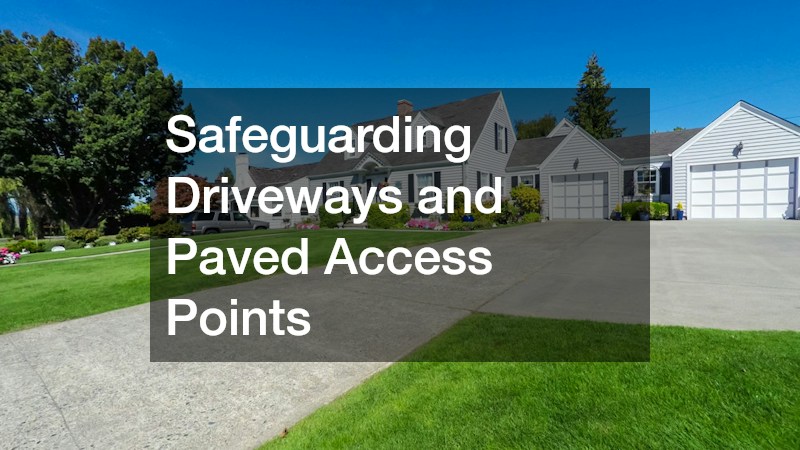
Curb appeal begins at the edge of your property line, where driveways, walkways, and entry aprons frame the overall presentation of your home. Asphalt surfaces offer a smooth, durable, and cost-effective solution for vehicular access, but they require proactive maintenance to prevent freeze-thaw damage and water penetration. Over time, exposure to sun, rain, and heavy vehicles can cause small surface fractures to open up, which eventually turn into deep potholes if left unaddressed. Performing timely asphalt crack filling seals these vulnerable entry points against moisture intrusion, preserving the flexible structural foundation of your pavement and extending its operational lifespan significantly.
- Sealing narrow pavement cracks prevents water from penetrating the sub-base layer.
- Proactive surface maintenance prevents costly asphalt replacement projects down the road.
- Smooth, well-maintained driveways significantly improve immediate exterior curb appeal.
Keeping your paved access points clean, sealed, and smooth creates a crisp, well-maintained frame for your entire property, ensuring that your low-maintenance approach extends all the way from the street to your back fence.
9. Shielding Your Exterior Retreat from Unwanted Intruders
An essential yet often overlooked aspect of maintaining an enjoyable outdoor living environment is keeping nuisance insects and destructive pests from ruining your relaxation time. Wood-boring insects, biting mosquitoes, and burrowing rodents can damage wooden decks, hollow out structural trees, and turn an otherwise pleasant evening on the patio into an uncomfortable experience. Implementing a preventive pest management strategy protects both your physical health and your property investments without requiring you to constantly apply temporary sprays or DIY chemical treatments. Contracting a qualified local pest control service establishes an invisible shield around your living zones, planting beds, and home perimeter using safe, long-lasting barrier treatments that deter pests automatically.
- Targeted perimeter treatments keep mosquitoes and biting insects away from seating areas.
- Eco-friendly pest barriers protect wooden structures without harming beneficial pollinators.
- Routine property inspections identify and eliminate pest nesting zones early.
By proactively managing pest populations across your grounds, you maintain a healthy, comfortable environment where your family and guests can fully enjoy your outdoor retreat without annoyance or safety concerns.
10. Harmonizing Natural Light and Nighttime Illumination

The final layer of a comprehensive outdoor living design is a well-planned low-voltage LED lighting system that brings your landscape to life after sunset. Thoughtfully placed fixtures highlight architectural features, illuminate pathways, and cast soft ambient glows across dining and seating areas, dramatically improving both safety and nighttime curb appeal. Modern LED technology consumes minimal electricity and uses weather-sealed, brass or aluminum fixtures designed to resist corrosion and moisture damage for years without bulb replacements.
- Low-voltage LED fixtures dramatically reduce energy consumption while maximizing output.
- Pathway lighting improves foot traffic safety along dark garden walkways and steps.
- Accent uplighting highlights mature trees, stone walls, and key architectural elements.
Integrating automated timers, smart home controls, and solar sensors ensures that your outdoor space lights up effortlessly every evening, creating a warm, magical ambiance that extends your enjoyment of your sanctuary well into the night.
Investing in high-quality materials and professional trade services upfront pays massive dividends over time, saving you money on costly structural repairs while giving you back valuable weekend hours to enjoy with family and friends. Ultimately, a low-maintenance outdoor sanctuary is more than just a home improvement project; it’s a lifestyle upgrade that adds lasting financial value to your property while enriching your daily routine. By following a structured approach from initial concept to final completion, you can rest easy knowing that your custom exterior sanctuary will remain a source of pride, relaxation, and effortless beauty for many years to come.