

Creating an Outdoor Space That Looks Great Without Constant Work
Designing a beautiful yard doesn’t have to mean spending every weekend maintaining it. Many homeowners struggle to balance curb appeal with the time and effort required to keep their outdoor space looking its best. The good news is that with thoughtful planning and smart design choices, you can create a landscape that is both visually appealing and easy to manage.
Low-maintenance landscaping focuses on reducing ongoing upkeep while still delivering a polished, inviting look. This involves choosing the right materials, minimizing high-maintenance features, and designing your space in a way that works with your environment rather than against it. From selecting durable surfaces to planting the right greenery, every decision plays a role in how much time and energy your yard will require.
Another key factor is consistency. A well-designed yard should remain attractive throughout the year with minimal intervention. This means thinking ahead about how plants will grow, how weather will impact materials, and how different elements will work together over time. By taking a proactive approach, you can avoid common issues like overgrown plants, patchy lawns, or constant repairs.
The following strategies will help you design a landscape that enhances your home’s appearance while giving you more time to actually enjoy it.
Start With a Clear Plan Based on Your Yard’s Needs
Every successful outdoor project begins with a clear and realistic plan. Before making any changes, take time to evaluate your yard’s current conditions, including sunlight exposure, soil quality, drainage, and available space. These factors will influence what types of plants and features will thrive with minimal effort. For example, areas with heavy shade may require different plant choices than sun-exposed sections, while poor drainage may call for grading or soil amendments. Skipping this step often leads to poor results, such as plants that struggle to survive or features that require constant upkeep.
A thoughtful approach to landscaping ensures that each element of your yard serves a purpose. Instead of randomly adding features, create designated areas for greenery, walkways, and seating. This helps prevent overcrowding and makes maintenance tasks more manageable over time. Clear zones also allow you to prioritize which areas need more attention and which can remain largely self-sustaining. A well-structured layout improves not only the appearance of your yard but also how you move through and use the space on a daily basis.
Professional landscape installation can make a significant difference in the long-term success of your design. Experts understand how to properly prepare the ground, position plants, and install features so they last longer and require less upkeep. They can also anticipate potential issues before they arise, ensuring your investment holds up over time. By starting with a detailed plan, you create a strong foundation that supports a low-maintenance and visually appealing landscape for years to come.
Choose the Right Grass Type for Easy Lawn Care

A lush, green lawn is a central feature of many yards, but not all grass types are created equal. Choosing the right variety can significantly reduce the amount of maintenance required to keep it looking healthy. Factors like climate, foot traffic, and water availability should guide your decision.
Installing sod is one of the fastest ways to establish a lawn, and it often requires less effort than growing grass from seed. High-quality sod provides instant coverage and helps prevent weed growth, making it a practical choice for homeowners seeking quick results. However, selecting the right type is essential for long-term success.
Working with reputable sod companies ensures that you receive grass suited to your region and soil conditions. These professionals can recommend durable, drought-resistant varieties that require less watering and maintenance. Choosing the right grass from the beginning helps avoid common issues like patchiness and excessive upkeep.
Once installed, proper care is key to maintaining a low-maintenance lawn. Watering deeply but less frequently, mowing at the correct height, and fertilizing as needed will keep your grass healthy without requiring constant attention.
Use Mulch Strategically to Reduce Weeds and Watering
Mulch is one of the simplest yet most effective tools for reducing landscape maintenance because it works on multiple levels at once. In addition to improving soil health, it acts as a barrier that protects your plants from harsh environmental conditions. By stabilizing soil temperature, mulch helps keep roots cooler in the summer and warmer in the winter, which reduces plant stress and promotes more consistent growth throughout the year.
Applying landscape mulch to garden beds and around trees creates a protective layer that minimizes evaporation and helps the soil retain moisture longer. This is especially beneficial during hot or dry periods, when frequent watering would otherwise be necessary. By conserving moisture, mulch not only saves time but also reduces water usage, making your yard more efficient and environmentally friendly. At the same time, it limits weed growth by blocking sunlight, which prevents weed seeds from germinating and competing with your plants for nutrients.
Incorporating mulch into your overall landscaping design also enhances the visual structure of your yard. Clean, well-defined mulch beds create contrast and make plants stand out more prominently. Organic options like wood chips or bark break down over time, enriching the soil with nutrients and improving its overall quality.
To maintain its effectiveness, mulch should be monitored and replenished as needed. Over time, it can decompose or shift, reducing its ability to protect and insulate. Keeping a consistent layer ensures long-term performance and a polished appearance.
Incorporate Hardscaping to Minimize Lawn Upkeep
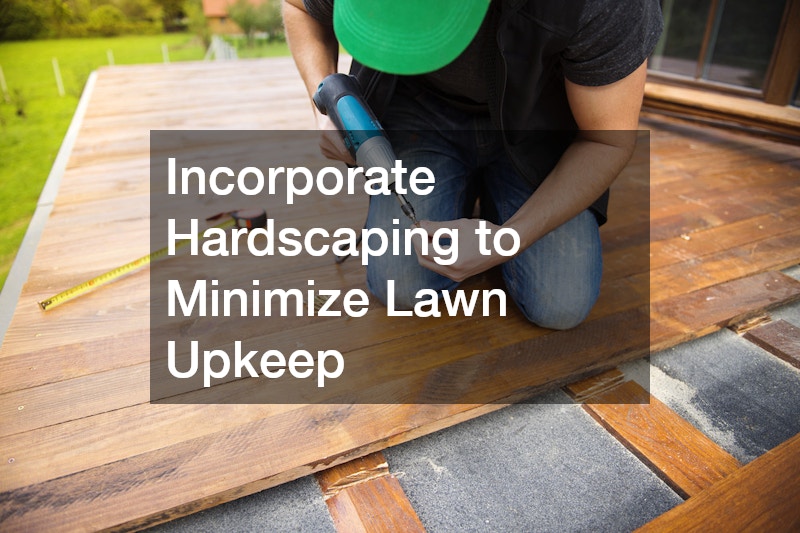
Reducing the size of your lawn is one of the most effective ways to cut down on maintenance. Hardscaping elements, such as patios and walkways, replace high-maintenance grass with durable surfaces that require little upkeep.
Adding patios creates functional outdoor living areas where you can relax or entertain without worrying about constant lawn care. Materials like concrete, stone, and pavers are long-lasting and easy to clean, making them ideal for low-maintenance designs.
Working with a local patio builder ensures that these features are installed correctly and built to last. Proper installation prevents issues like uneven surfaces or drainage problems, which can lead to additional maintenance down the line.
By incorporating hardscaping into your design, you not only reduce the time spent on lawn care but also enhance the usability and visual appeal of your yard. This balance of function and style is key to a successful low-maintenance landscape.
Design Plant Beds With Low-Maintenance Greenery
Choosing the right plants is essential for creating a landscape that looks great without constant care. Native and drought-tolerant plants are particularly effective, as they are adapted to local conditions and require less water and maintenance.
Professional landscape installation helps ensure that plants are placed in the right locations based on their sunlight and water needs. Grouping plants with similar requirements simplifies care and reduces the risk of overwatering or neglect.
Using landscape mulch in plant beds further enhances their performance by retaining moisture and preventing weed growth. This combination of smart plant selection and protective layering creates a more resilient and low-maintenance environment.
Avoiding high-maintenance plants that require frequent pruning or special care will save time in the long run. Instead, focus on hardy varieties that thrive with minimal attention while still providing color and texture.
Simplify Lawn Care With Smart Maintenance Strategies
Even with a well-designed lawn, regular care is necessary to keep it looking its best. However, the goal is to make this process as simple and efficient as possible by building habits that reduce effort over time rather than increase it. A lawn that is maintained consistently will require far less work than one that is neglected and then corrected in large, time-consuming bursts.
Hiring a lawn mowing service can take the burden off your schedule while ensuring consistent results. Professionals have the tools and expertise to maintain your lawn at the proper height, which is essential for healthy growth. Cutting grass too short can stress it and make it more vulnerable to weeds and disease, while letting it grow too long can create uneven patches and extra cleanup. Regular, professional mowing keeps your lawn balanced and visually appealing without requiring constant attention from you.
Proper care of sod also plays a role in simplifying maintenance. Keeping it well-watered during establishment and adjusting mowing frequency based on growth patterns helps prevent issues like thinning or overgrowth. Once established, sod becomes easier to manage, especially when paired with a consistent watering schedule and seasonal fertilization.
By creating a routine and sticking to it, you can maintain a healthy lawn without spending excessive time on upkeep. Setting reminders, following a simple schedule, and addressing small issues early all contribute to a lawn that stays attractive and manageable year-round.
Maintain Trees Properly to Prevent Overgrowth Issues
Trees add beauty and shade to your yard, but they can also become a source of maintenance challenges if not properly managed. Regular care helps prevent overgrowth, falling branches, and potential safety hazards.
Consulting with arborists ensures that your trees remain healthy and well-maintained. These professionals can assess tree health, recommend treatments, and provide guidance on proper care.
Scheduling a tree trimming service is essential for controlling growth and maintaining structure. Trimming removes dead or overgrown branches, improving both appearance and safety.
By staying proactive with tree care, you can enjoy the benefits of mature trees without the stress of constant maintenance or unexpected issues.
Install Efficient Irrigation Systems to Save Time and Water
Watering is one of the most time-consuming aspects of yard maintenance, but efficient systems can make it much easier. Automated irrigation systems deliver the right amount of water at the right time, reducing waste and effort.
Incorporating irrigation into your landscaping design ensures that all areas receive adequate moisture without overwatering. This helps maintain plant health while conserving resources.
Pairing irrigation with a lawn mowing service creates a streamlined approach to lawn care. With consistent watering and professional maintenance, your yard can stay in top condition with minimal effort.
Using techniques like drip irrigation for plant beds further enhances efficiency by targeting water directly where it’s needed.
Create Defined Zones for Function and Easy Maintenance
Dividing your yard into distinct zones helps improve both functionality and maintenance. By separating areas for relaxation, gardening, and lawn space, you can manage each section more effectively.
Adding patios reduces the amount of grass that needs to be maintained while creating usable outdoor living areas. These spaces can be customized to suit your needs, from dining areas to lounging spots.
Working with sod companies ensures that lawn areas are established with durable grass that can withstand regular use. Clearly defined boundaries between zones also make it easier to maintain each section without overlap.
This structured approach creates a balanced and organized landscape that is both attractive and easy to care for.
Schedule Routine Maintenance to Keep Everything Looking Fresh
Even a low-maintenance landscape requires some level of ongoing care to remain in good condition. Establishing a routine helps prevent small issues from becoming larger problems.
Working with arborists ensures that trees are regularly monitored and maintained, preventing overgrowth and potential hazards. A consistent tree trimming service schedule keeps branches under control and maintains the overall appearance of your yard.
Creating a seasonal checklist for tasks like mulching, pruning, and lawn care helps keep everything on track. By staying organized, you can manage maintenance efficiently without feeling overwhelmed.
Regular upkeep ensures that your landscape continues to look its best while minimizing the time and effort required.
Designing a Yard That Works for You Long-Term
A low-maintenance landscape is all about making smart choices from the beginning. By focusing on efficient design, durable materials, and proper planning, you can create an outdoor space that remains attractive with minimal effort.
The key is to think long-term. Every decision, from plant selection to layout, should contribute to reducing upkeep while enhancing visual appeal. When done correctly, your yard becomes a place you can enjoy rather than a constant project.
With the right approach, it’s possible to achieve a balance between beauty and practicality, giving you a landscape that looks great and fits your lifestyle.