
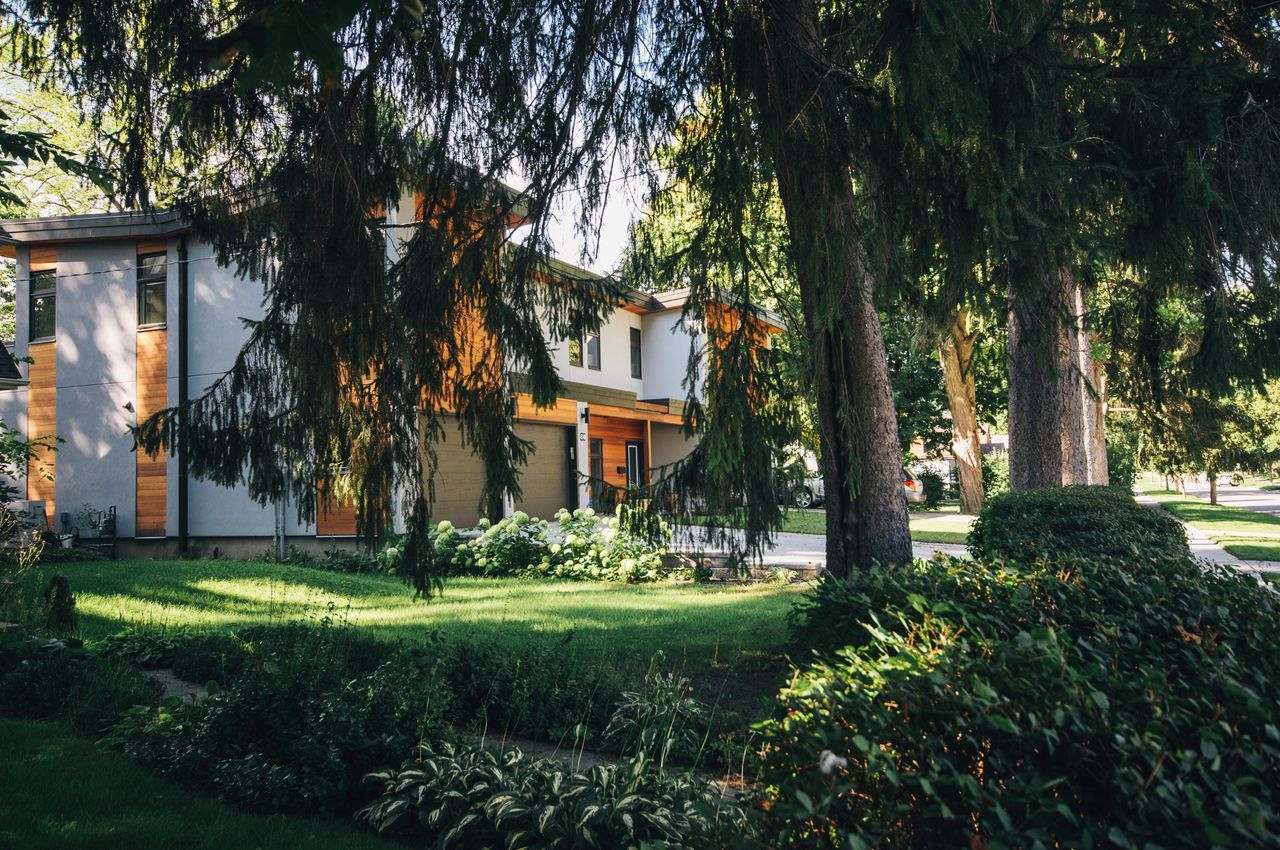
Shaded corners of a yard can feel like a design puzzle. You want a living screen that blocks nosy neighbors, softens fence lines, and looks lush all season, but the sun just isn’t cooperating. Most of the fast-growing privacy plants you see at the garden center are sun-worshippers, which leaves shade gardeners wondering if they’re stuck with a bare fence forever.
The good news is that plenty of beautiful shrubs, trees, and even grasses genuinely prefer dappled light or a few hours of morning sun. You just need to pick the right species, plant them in the right spot, and give them the kind of start that lets them fill in quickly. Done well, a partial-shade privacy planting can look even more natural than a sun-baked hedge row.
This walkthrough takes you step by step through choosing, placing, and caring for the best shade-tolerant privacy plants. By the end, you’ll have a clear plan you can take straight to the nursery.
How Much Sun Does Your Yard Actually Get?
Before you buy a single plant, spend a weekend watching your yard. “Partial shade” is a slippery term, and most plant tags use it loosely. In practice, it usually means somewhere between three and six hours of direct sun per day, often with filtered light the rest of the time.
Grab a notebook and jot down what the sunlight looks like at 9 a.m., noon, 3 p.m., and 6 p.m. Note which areas get direct rays, which get dappled light through tree branches, and which stay in deep shade all day. That simple log will save you from buying plants that slowly sulk and die.
Sun matters more than you might think, even for shade-loving species. According to Nature Hills Nursery, four to six hours of partial shade can slow growth and produce thinner, less dense foliage on arborvitae. That’s a big deal when density is the whole point of a privacy screen.
Which Shade-Tolerant Plants Should Be on Your Shortlist?
Not every privacy plant is a diva about sunlight. Several popular species handle partial shade gracefully, especially if you give them rich soil and consistent water during their first two seasons.
Here are the strongest candidates to consider:
- Canadian hemlock, a soft-needled evergreen that actually prefers some afternoon shade
- Yew shrubs, which tolerate deep shade and shear cleanly into a formal hedge
- Inkberry holly, a native evergreen with a rounded, dense growth habit
- Oakleaf hydrangea, which provides a seasonal screen with dramatic leaves
- Arborvitae, especially in spots that still catch four to six hours of light
- Clumping bamboo for a modern, tropical look
Arborvitae remains a favorite for Midwest yards because it’s so forgiving. According to the Buckeye State Tree Nursery, arborvitae adapts to full sun or partial shade and does best in soil that stays moist but drains well. That combination describes a lot of backyards along fence lines and tree edges.
When Fast Growth Really Matters
If you’re starting from scratch and need coverage quickly, Green Giant arborvitae is hard to beat in the sunniest part of your partial-shade zone. According to Weaver Family Farms Nursery, this variety can add three to five feet of new growth per year when it has good soil, steady moisture, and full sun. In shadier pockets expect slower numbers, but it still outpaces most other evergreens.
How Do You Lay Out a Privacy Planting That Actually Works?
Plant placement is where most DIY privacy projects go sideways. People line everything up in a rigid soldier row along the property line, which looks stiff and leaves gaps you can see straight through once you walk a few feet.
Instead, stagger your plants in two slightly offset rows. Space the back row so the plants in the front row cover the gaps behind them. This “double zigzag” pattern creates a thicker visual barrier with fewer plants, and it looks far more natural from both sides of the fence.
Measure the mature width of each species and plant them that distance apart, center to center. It’s tempting to crowd them for an instant screen, but overcrowded plants compete for root space, grow weak, and often need thinning within five years.
What’s the Right Way to Plant and Establish Shade Hedges?
Shade plants have a smaller window for root growth because cooler, lower-light conditions slow everything down. That makes your planting technique even more important than usual.
Follow this sequence for each hole you dig:
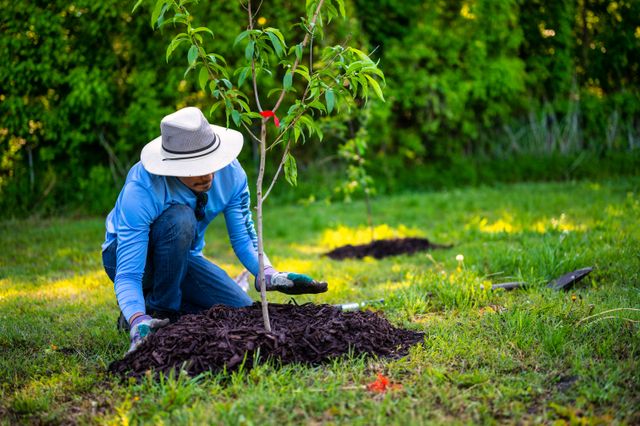
- Dig the hole twice as wide as the root ball but no deeper
- Loosen the sides of the hole so roots can push outward
- Score or tease apart circling roots before setting the plant
- Backfill with the native soil, not bagged topsoil
- Water deeply and apply two to three inches of mulch, keeping it off the trunk
- Stake only if the plant is top-heavy or in a windy spot
Water is the single biggest factor in the first year. Shade keeps soil cooler and wetter than sun, so check moisture with your finger before watering rather than running a sprinkler on autopilot. Too much water in shade leads to root rot, which kills more young hedge plants than drought ever does.
When you’re thinking about how to create privacy in a backyard with limited light, patience during year one pays off for decades. A plant that roots deeply its first season will shrug off summer heat and winter wind for the rest of its life.
Smart Lawn and Garden Care for Shaded Privacy Screens
Once your plants are in the ground, the maintenance rhythm shifts a bit compared to sunny hedges. Growth is slower, pests behave differently, and airflow becomes critical because shaded foliage dries out more slowly after rain.
Set a simple seasonal schedule. In early spring, feed with a slow-release organic fertilizer and refresh mulch. In summer, water deeply once a week during dry spells instead of shallow daily sprinkles. In fall, prune lightly to shape and remove any dead wood, then check for signs of fungal issues before winter sets in. A consistent approach to Lawn & Garden Care along your privacy border will keep foliage dense and the overall screen looking intentional rather than ragged.
If you’re blending your screen with existing trees or a walkway, think through sight lines before you plant. A thoughtful approach to privacy in your backyard means you’re screening the views that matter without walling off the whole yard.
Pruning Shade-Grown Hedges Without Weakening Them
Shade-grown hedges don’t recover from heavy pruning as quickly as sun-grown ones. Use the “rule of thirds” and never remove more than a third of the live growth in a single season. Prune in late winter or very early spring before new growth starts, and always angle the top slightly narrower than the base so lower branches still catch available light. That one trick keeps the bottom of your screen from thinning out over time.
Can Bamboo and Ornamental Grasses Work in Partial Shade?
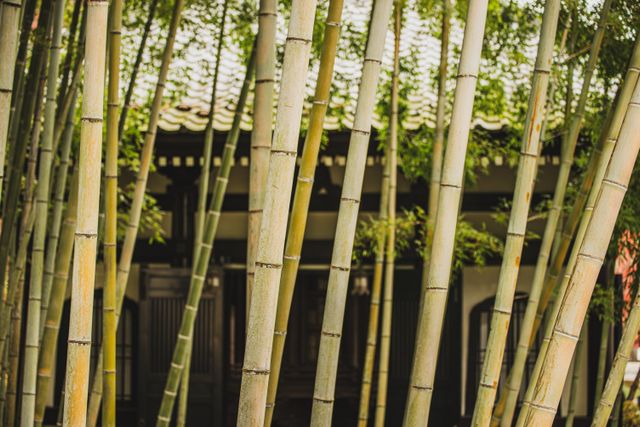
Bamboo has a reputation as a sun lover, but several clumping varieties handle dappled light beautifully. Fargesia varieties, sometimes called umbrella bamboo, actually scorch in hot afternoon sun and prefer the cooler, filtered conditions that frustrate other screening plants. They stay in tight clumps instead of running wild, which makes them safe for suburban yards where you’d never risk a traditional running bamboo.
Expect clumping bamboo to reach eight to sixteen feet depending on the cultivar, with a graceful arching habit that softens fence corners. Plant them in rich, well-drained soil amended with compost, and water consistently for the first two summers. Once established, they handle wind, drought, and cold far better than their reputation suggests.
Ornamental grasses can fill the lower layer of your screen where bamboo and shrubs leave gaps near the ground. Northern sea oats, Hakone grass, and certain sedges all tolerate shade and add movement that solid evergreens can’t match. Pair them with taller woody plants and the whole border feels layered instead of flat.
Which Problems Should You Watch for in Shaded Privacy Plantings?
Shade creates conditions that favor certain pests and diseases, so knowing what to look for saves you from losing plants you’ve waited years to mature.
Keep an eye out for these common issues:
- Powdery mildew on hydrangeas and lilacs when airflow is poor
- Scale insects on yews and hollies, which show up as small bumps on stems
- Deer browsing, which hits arborvitae and hemlock hardest in winter
- Root rot from soil that stays soggy after heavy rain
- Winter burn on broadleaf evergreens exposed to cold, dry winds
Most of these problems are preventable with good spacing, smart watering, and a yearly inspection in both spring and fall. Catch issues early and a quick treatment keeps one struggling plant from infecting the whole row.
Dealing With Deer and Rabbits Along the Fence Line
Shaded yards often back up to woods or greenbelts, which means wildlife pressure is higher than in open suburban lots. Yew is highly palatable to deer, so if your property sees regular browsing, lean toward inkberry holly, boxwood, or hemlock with a repellent program. Fencing young plants with a simple ring of welded wire for the first two winters protects the tender growth that would otherwise get stripped by hungry rabbits and deer during January thaws.
Conclusion
Creating a lush privacy screen in a shaded yard takes a little more thought than planting a sunny hedge, but the results are often more interesting. You get layered textures, softer colors, and a natural woodland feel that a stiff row of sun-loving evergreens simply can’t deliver. The trick is matching the plant to the exact light conditions you measured, spacing generously for mature size, and treating that first year of establishment as the most important work you’ll ever do on the project.
Start with a shortlist of two or three species rather than trying to mix five or six. A simple palette reads as intentional and gives the whole border a cohesive look as it grows in. Stagger your rows, water deeply but not constantly, and prune lightly in the right season. Within three to five years, you’ll have a screen that feels like it’s always belonged there.
Shade isn’t a limitation when you work with it instead of against it. Pick the right plants, give them a thoughtful start, and your once-awkward shaded fence line will become one of the most beautiful parts of the yard.