
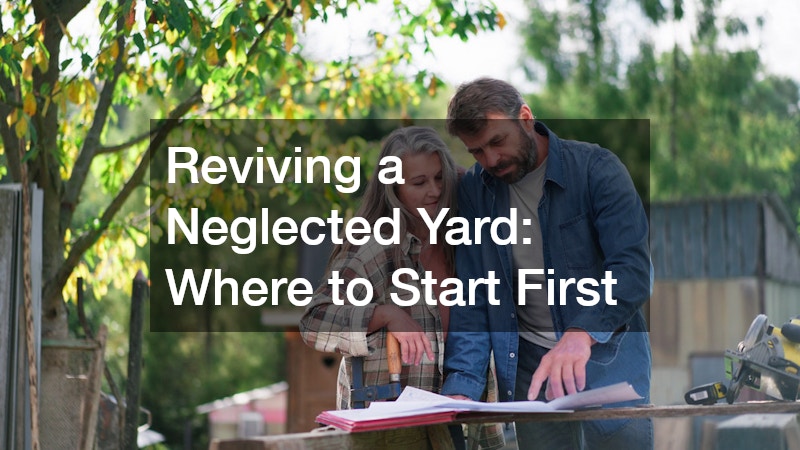
A yard that’s been ignored for a season—or several—can feel overwhelming to look at, let alone fix. Overgrown grass, patchy beds, and mystery weeds hide a lot of problems, but they don’t have to stay hidden forever. The good news is that reviving a neglected outdoor space doesn’t require doing everything at once; it requires doing things in the right order. This guide walks you through the smartest starting points so your time, money, and effort actually move the needle.
Assess the Full Scope Before You Touch Anything
Before you buy a single plant or fire up a mower, walk the entire property and take notes on what you’re dealing with. Look at drainage patterns, dead or dying vegetation, structural damage to fences or patios, and any signs of pest activity. Check for standing water 24 hours after a rain, soft or spongy ground near the foundation, and soil that seems compacted or eroded in high-traffic areas.
A neglected yard often has layered issues, and treating symptoms without understanding the root cause wastes both time and money. That patchy, brown section of lawn might be a watering problem, but it could also be grubs, fungus, or roots competing with a nearby tree. Look up too — overhanging branches, damaged gutters, and leaning trees can all affect what’s happening at ground level.
Taking photos as you go can help you track progress and prioritize which problems need immediate attention versus which can wait. Snap wide shots of each zone plus close-ups of anything concerning, and jot down the date so you can compare seasonal changes later. A simple sketch of the property with problem areas marked also makes it easier to sequence repairs logically instead of jumping around.
It also helps to walk the yard about 30 minutes to an hour after a rainstorm to see where water pools or drains poorly, since standing water that lingers for more than a few hours often points to compacted soil, poor grading, or drainage issues underneath the surface. Take photos and, if possible, sketch a rough map marking these wet spots, since a professional or DIY drainage fix will need that information later.
Note any areas where grass refuses to grow, soil looks gray or cracked, or erosion has created bare patches, gullies, or exposed roots. These symptoms can signal anything from poor soil pH to years of foot traffic compaction, and knowing the difference will save you from wasting money on the wrong fix.
This early assessment becomes your roadmap for the rest of the revival process, helping you prioritize which problems need immediate attention versus which can wait until a later season.
Fix the Ground Before You Plant Anything
Healthy landscaping starts with healthy, properly shaped ground, which is why grading issues should be addressed early rather than worked around. If water pools near your foundation, erodes slopes, or drowns low spots in your lawn, a land grading company can reshape the terrain so water flows away from structures and drains evenly across the property. A common benchmark is a slope of about 2%, or roughly a quarter-inch drop per foot, extending at least six to ten feet away from the foundation.
Watch for telltale signs before assuming grading is fine: standing water 24-48 hours after rain, cracks forming in a foundation or patio slab, or grass that stays soggy while the rest of the yard dries out. These symptoms usually mean the underlying slope is working against you, not just poor soil or drainage fixtures. A professional assessment can also catch issues like compacted subsoil left behind by previous construction, which regrading alone won’t fully solve.
Skipping this step often means replanting or repairing hardscaping later after water damage undoes your work. Proper grading also prevents muddy patches that become breeding grounds for weeds and unwanted insects, including mosquitoes that favor stagnant water. Getting the ground right first, before laying sod, planting beds, or installing irrigation, saves you from tearing out established landscaping to fix a problem that should have been solved at the start.
Grading isn’t just about slope, either; it’s about creating a stable base for everything you plan to add later, from lawns to garden beds to walkways. A good rule of thumb is a 2% grade, or about a 6-inch drop over 10 feet, sloping away from your home’s foundation to keep water from pooling against it.
If your yard has significant high and low points, professionals can use equipment like skid steers, box blades, and laser levels to level or terrace the space efficiently, saving you from years of manual correction with a shovel and wheelbarrow. For yards with a steep grade, terracing with retaining walls can turn an unusable slope into flat, functional zones for beds or seating areas while also controlling erosion.
This stage is also the time to think about compacted soil and buried debris, both common in neglected yards, since heavy equipment can break up hardpan and clear obstructions before you commit to permanent plantings. Getting this foundational work right early prevents costly do-overs down the road, like ripping out an established lawn because water keeps collecting in the wrong spot.
Evaluate the Health of Your Trees
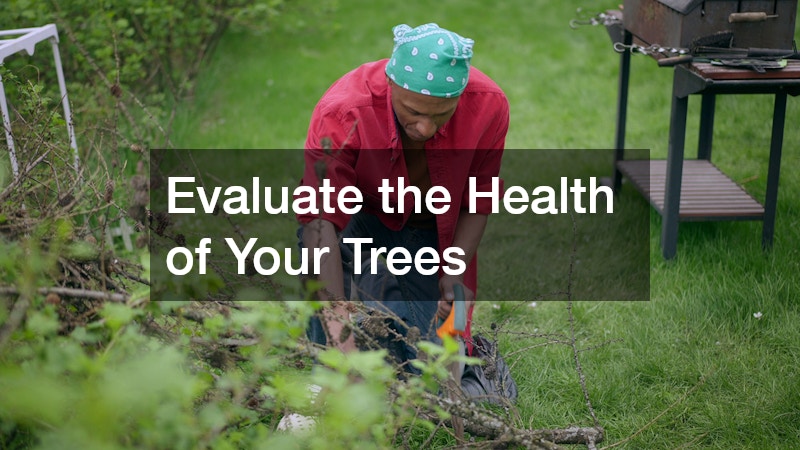
Mature trees are one of the most valuable features of any yard, but neglect often means storm damage, disease, or overgrowth has gone unaddressed for too long. Bringing in certified arborists to inspect large or older trees can catch problems like rot, pest infestation, or structural weakness before a limb falls on your roof or car. Look for warning signs yourself in the meantime, such as fungal growth at the base, cracked bark, dead branches in the canopy, or a noticeable lean that wasn’t there before.
These specialists can also recommend whether a tree needs pruning, cabling, or removal, which is not a judgment call homeowners should make alone. A trained eye can tell the difference between a tree that simply needs deadwood removed and one that’s a genuine hazard requiring bracing or takedown. Many arborists offer a written report with photos and priority rankings, which is useful if you need to schedule multiple treatments over time or file an insurance claim later.
Expect to budget anywhere from $100 to $500 for a standard inspection, though larger properties with many mature trees may cost more. A thorough tree assessment early in your yard’s revival protects both your property and your family, and it often uncovers issues that are far cheaper to fix now than after a storm.
Before replacing anything, take stock of what’s actually missing. Walk the perimeter of your yard and note any bare patches where a tree once stood, along with spots that bake in full afternoon sun and could use shade for the house or patio. Photographing these areas and measuring the available space will make conversations with a professional much more productive.
A professional tree planting service can help you choose species suited to your climate, soil type, and available space, avoiding the common mistake of planting something that will outgrow its spot in a few years. For example, a fast-growing shade tree like a silver maple might seem appealing for quick results, but its aggressive roots can damage nearby foundations or sidewalks within a decade. A smaller ornamental variety, or a native species adapted to your region’s rainfall and soil pH, is often the safer long-term choice.
It’s also worth discussing mature size, root spread, and maintenance needs before you commit. A tree that looks modest at five gallons can reach 40 feet tall and just as wide within twenty years, so planting distance from structures and utility lines matters. Getting expert input here saves you from removing and replanting a costly mistake down the line.
Address Pest and Insect Problems Early
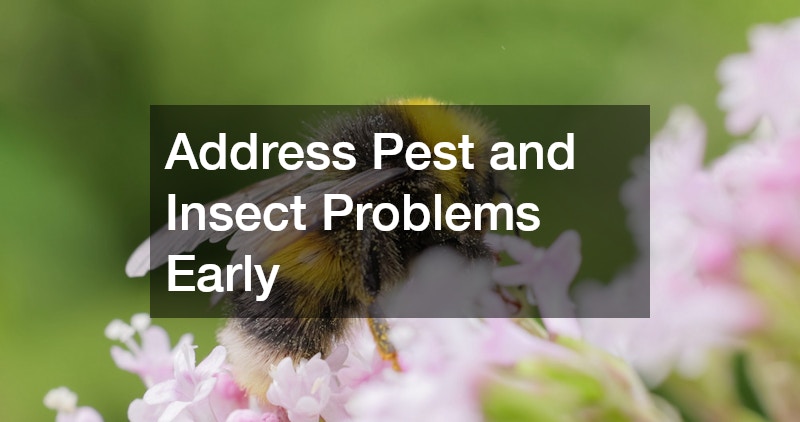
Neglected yards are magnets for pests, from termites nesting in old mulch piles to rodents burrowing under overgrown shrubs. Before you invest in new plants, soil amendments, or landscaping features, it’s worth having a pest control specialist evaluate the property for infestations that could undermine your efforts. Ants, grubs, and other insects can quickly destroy new grass or garden beds if left untreated, making this a step you don’t want to skip.
Pay attention to warning signs like small mounds in the lawn, chewed foliage, or wood that sounds hollow when tapped, as these often indicate deeper problems. Addressing pest issues before landscaping work begins also protects your investment, since new plants and sod are especially vulnerable to hungry insects and burrowing animals. A proactive approach here is far cheaper than replacing damaged plantings later.
Map Out a Realistic Plan for the Whole Yard
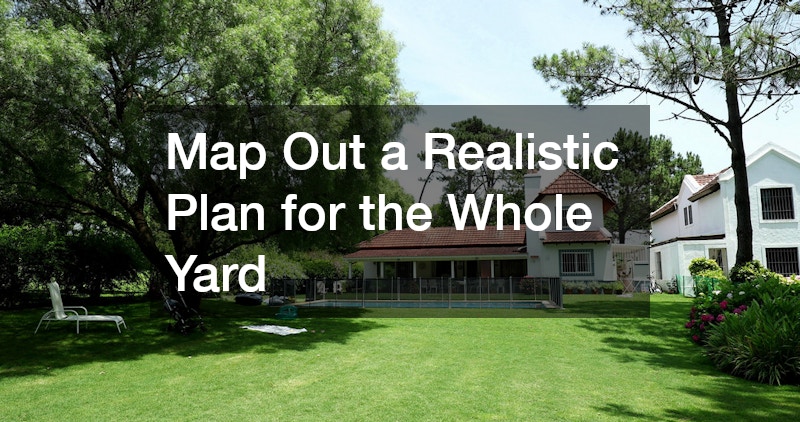
Once you understand the condition of your soil, trees, and pest situation, it’s time to think about the big picture rather than tackling random sections piecemeal. Working with landscape designers can help you visualize how different zones of your yard will work together, from entertaining spaces to garden beds to play areas for kids or pets. A cohesive plan prevents the common mistake of investing in features that don’t complement each other or fit the way your family actually uses the outdoor space.
A good plan also accounts for your budget and timeline, breaking the project into manageable phases rather than trying to do everything in one season. This might mean prioritizing lawn repair and structural fixes first, then layering in decorative elements over the following year. Having a clear vision from the start keeps you from making impulsive purchases that don’t fit the overall design.
Bring in Structure and Texture
Once the bones of your plan are set, adding hardscaping features can transform a flat, neglected yard into something with visual interest and function. Experienced hardscaping contractors can build patios, retaining walls, or walkways that define different areas of your yard while also solving practical issues like erosion or awkward slopes. These structural elements often become the backbone of the design, giving softer landscaping features something to work around.
For yards with drainage challenges or areas where grass simply won’t thrive, river rock offers an attractive, low-maintenance alternative to mulch or bare soil. It’s especially useful in dry creek beds designed to manage runoff, or as a border along garden beds where you want a clean, finished look without constant upkeep. Because river rock doesn’t decompose like organic mulch, it also reduces the frequency of yard maintenance tasks going forward.
Restore or Install a Reliable Irrigation System
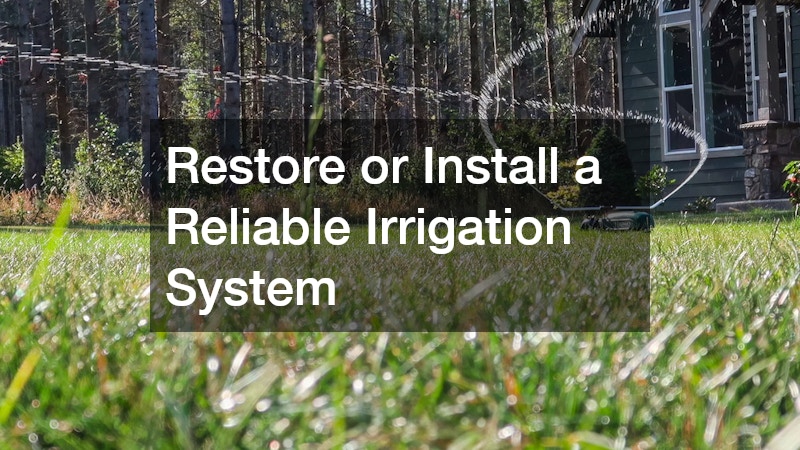
Neglected lawns often struggle because they simply haven’t received consistent water, especially if an old irrigation system has fallen into disrepair or was never installed at all. Professional sprinkler installation ensures your lawn and garden beds get even coverage without wasting water on driveways or sidewalks. Modern systems can also be programmed to adjust based on weather conditions, which saves money while keeping plants healthy through dry spells.
If you’re unsure whether your yard needs a full irrigation system or just repairs to existing lines, a professional assessment can clarify what’s actually broken versus what’s simply outdated. Cracked pipes, clogged heads, and poor zone placement are common issues in yards that have sat unused for years. Fixing irrigation early means your new plants and lawn repairs have the best chance of actually surviving.
Reestablish Clear Property Boundaries
Overgrown yards often hide or obscure property lines, and old fencing may be leaning, rotted, or missing sections entirely. Bringing in a fence contractor early in the revival process helps you reestablish clear boundaries, which is especially important if you’re planning major landscaping work near the edges of your property. A sturdy, well-placed fence also adds privacy and can define separate zones within a large or oddly shaped yard.
Beyond boundaries, fencing plays a practical role in keeping pets contained, deterring wildlife, and providing a backdrop for climbing plants or garden beds. If your existing fence is salvageable, minor repairs might be enough, but severely deteriorated sections often cost more to patch than to replace outright. Addressing this early prevents surprises later when landscaping or hardscaping work needs to align with new boundary lines.
Add Function and Ambiance with Lighting
Once the major structural and plant-related work is underway, lighting is one of the most effective ways to extend the usability of your yard into the evening hours. Outdoor lighting contractors can install pathway lights, uplighting for trees, and fixtures near patios or seating areas that make the space feel finished and safe to navigate after dark. Thoughtful lighting design also highlights your landscaping investment rather than letting it disappear once the sun goes down.
Lighting isn’t purely decorative, either; well-placed fixtures near walkways, steps, and driveways reduce trip hazards and improve overall safety for family and guests. Many systems today use energy-efficient LED options with timers or smart controls, so you’re not manually flipping switches every evening. This finishing touch often makes the biggest visible difference in how “revived” the yard actually feels.
Reviving a neglected yard is rarely a one-weekend project, but tackling the right tasks in the right order turns an overwhelming mess into a manageable series of wins. Start with the ground, trees, and pest issues, then build outward toward design, structure, water, boundaries, and light. Each step you complete makes the next one easier and more effective, so resist the urge to jump straight to the fun, decorative parts. With a clear plan and the right help along the way, your yard can go from neglected to genuinely enjoyable in far less time than you might expect.